


Detoxing for better gut health is more than a short-term cleanseâit’s about adopting effective strategies and dietary habits to support long-term digestive wellness. Below are the key takeaways to guide you through actionable approaches for improving your gut health.
Adopting a gut detox is not just about quick fixes but about building sustainable habits to maintain a resilient digestive system. In the sections ahead, we will explore actionable strategies, scientifically-supported foods, and lifestyle shifts to achieve and sustain better gut health.
Your gut is far more than just a digestive systemâit’s the foundation of your overall health and vitality. With approximately 70% of your immune system residing in your gut, the state of your digestive tract directly influences everything from nutrient absorption to mental clarity and emotional balance. This intricate ecosystem serves as both gatekeeper and communication hub for your entire body.
In my practice, I’ve observed how modern lifestyles can overwhelm this delicate system. Processed foods, environmental toxins, chronic stress, and medication use (particularly antibiotics) can disrupt your gut’s natural balance, leading to what I call a “toxic burden.” This accumulated strain manifests not just as digestive discomfort but often as systemic inflammation, immune dysregulation, and even cognitive issuesâwhat many patients describe as “feeling off” despite normal test results in conventional settings.
Scientific evidence increasingly supports targeted detoxification strategies as effective interventions for restoring gut function. But let me be clearâI’m not talking about harsh, depletion-based cleanses that leave you feeling worse. I’m referring to evidence-based protocols that support your body’s natural detoxification pathways while simultaneously rebuilding gut integrity. These approaches systematically remove inflammatory triggers while providing the nutrients needed for repair and renewal.
In this guide, we’ll explore practical, sustainable approaches that honor your body’s innate healing wisdom. From understanding the warning signs of gut toxicity to implementing specific foods and practices that facilitate repair, you’ll discover how to transform your digestive health and, by extension, your overall wellbeing.
The human digestive system functions as a complex ecosystem where trillions of microorganisms coexist with their own cells, collectively forming what we call the gut microbiome. This remarkable biological network does far more than just process foodâit produces neurotransmitters that affect your mood, regulates immune responses, metabolizes hormones, and even influences how your genes express themselves.
When functioning optimally, your gut serves as a selective barrierâallowing nutrients to enter circulation while preventing harmful substances from breaching this critical boundary. This intestinal lining, just one cell thick in places, must balance being permeable enough to absorb nutrients while tight enough to keep unwanted particles contained. It’s an extraordinary feat of biological engineering that happens entirely without conscious effort.
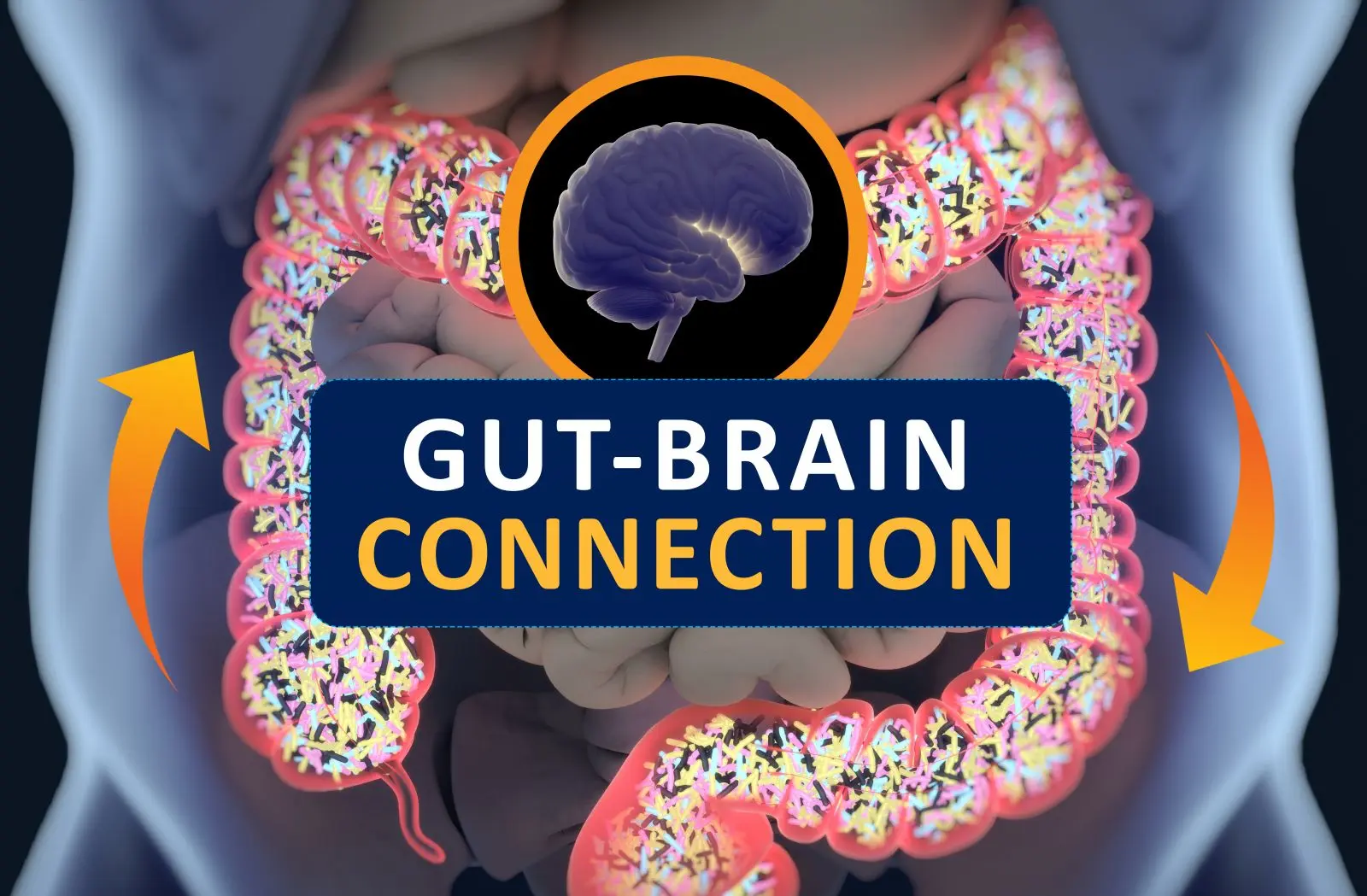
However, this delicate balance can be disrupted by various factors in our modern world. Poor dietary choices, particularly those high in refined sugars and industrial seed oils, can alter the microbial balance and trigger inflammation. Environmental toxinsâfrom pesticides to plasticsâcan damage the gut lining directly. Even psychological stress can weaken intestinal barriers through the powerful gut-brain connection, something I see regularly in my practice.
When these disruptions accumulate, what emerges is what we might call “gut toxicity”âa state where the digestive system becomes both a source and a victim of inflammatory processes.
Your body has remarkable wisdom and communicates when your gut needs support. The challenge is learning to recognize these signals. While occasional digestive discomfort is normal, persistent symptoms suggest deeper imbalances that merit attention.
The most direct signs include:
What’s fascinatingâand often overlookedâis how gut dysfunction manifests beyond the digestive tract. These systemic signs include:
I’ve had patients who spent years treating these “separate” symptoms before realizing they shared a common root in gut dysfunction. The body operates as an interconnected whole, and symptoms in seemingly unrelated systems often trace back to digestive imbalances.
Your gastrointestinal tract comes equipped with sophisticated detoxification mechanisms. The liver-gut axis represents one of the most important detoxification pathways in your body, with the liver processing toxins and releasing them into bile, which then enters the intestines for elimination.
Beneficial gut bacteria play a crucial role in this process, helping to neutralize harmful substances and maintain the integrity of the intestinal barrier. Research has shown that specific bacterial strains can even metabolize environmental toxins, effectively transforming them into less harmful compounds.
These natural detoxification systems require specific nutrients to function optimallyâantioxidants to neutralize free radicals, B vitamins to support detox enzymes, minerals for enzyme function, and amino acids for liver detoxification pathways. When these nutritional needs are met through targeted dietary approaches, your body’s natural detoxification capacity increases significantly.
Understanding this biological foundation helps explain why evidence-based detoxification strategies focus on supporting these inherent mechanisms rather than forcing artificial purging. The goal is to lighten the toxic burden while simultaneously enhancing your body’s capacity to process and eliminate harmful substances.
The foods you choose form the foundation of any effective gut detoxification strategy. Rather than thinking of detox as deprivation, I encourage my patients to focus on abundanceâspecifically, the abundance of nutrients that support the body’s natural cleansing processes.
Certain foods contain compounds that actively enhance detoxification pathways, repair gut tissue, and restore microbial balance. Here’s what makes them so powerful:
Cruciferous vegetables like broccoli, cabbage, and Brussels sprouts contain glucosinolates that convert to isothiocyanates in your body. These compounds upregulate phase 2 liver detoxification enzymes, essentially accelerating your body’s ability to process toxins. I recommend including at least one serving daily during active detoxification periods.
Leafy greens provide chlorophyll, which has a molecular structure remarkably similar to hemoglobin. This allows chlorophyll to bind to various toxins, reducing their absorption and facilitating their elimination. Beyond this direct detox support, greens provide vital nutrients for gut repair, including magnesium, folate, and vitamin K.
Fermented foods introduce beneficial bacterial strains that help rebalance your gut ecosystem. Traditional foods like sauerkraut, kimchi, and coconut kefir (a non-dairy alternative I often recommend) provide both probiotics and postbioticsâcompounds produced by beneficial bacteria that support gut health. Start with small amounts if you’re new to fermented foods, as they can be quite potent.
Prebiotic-rich foods feed your beneficial gut bacteria, essentially providing the fertilizer for your internal garden. Foods particularly rich in prebiotics include garlic, onions, leeks, asparagus, Jerusalem artichokes, and slightly underripe bananas. These contain specific fiber types that beneficial bacteria preferentially consume.
Berries and other colorful fruits provide polyphenols that both feed beneficial gut bacteria and help reduce oxidative stress. Blueberries, blackberries, and pomegranates are particularly potent sources. These compounds help protect your gut lining while supporting detoxification processes.
Anti-inflammatory spices like turmeric, ginger, and cinnamon help reduce gut inflammation while supporting digestive function. Turmeric’s active compound, curcumin, has been shown to support intestinal barrier function and reduce inflammatory markers. I often suggest adding fresh ginger to warm water as a simple morning ritual during detox periods.
Healthy fats, particularly omega-3 rich sources like wild-caught fish, flaxseeds, and walnuts, provide the building blocks for resolving inflammation and supporting cell membrane integrity in the gut lining. Medium-chain triglycerides found in coconut oil also provide easily accessible energy during detoxification phases.
A well-designed gut detox incorporates these beneficial foods while temporarily eliminating common inflammatory triggers. Here’s a simple framework I often share with patients:
Morning: Begin with warm lemon water to stimulate gentle digestive awakening and bile flow. Follow with a breakfast that combines fiber, healthy fats, and proteinâperhaps a smoothie with leafy greens, berries, coconut milk, garnished with freshly ground flaxseeds.
Mid-morning: Hydrate with herbal teas that support detoxification, such as dandelion root, milk thistle, or ginger.
Lunch: Focus on a large salad with diverse leafy greens, colorful vegetables, clean protein (perhaps wild-caught salmon or hard boiled eggs), avocado for healthy fat, and a simple dressing of olive oil, lemon juice, and herbs.
Afternoon: Include prebiotic-rich snacks like jicama slices, a small handful of nuts, or sliced apple with almond butter.
Dinner: Emphasize cooked vegetables, particularly cruciferous options, alongside clean protein and detox-supporting herbs and spices. A stir-fry with broccoli, bok choy, garlic, ginger, pasture raised chicken, and coconut aminos makes an excellent choice.
Evening: Consider ending with a cup of calming tea like chamomile or peppermint, which supports gut healing while preparing the body for restorative sleepâa critical time for detoxification processes.
What’s notably absent from this plan are common inflammatory triggers: gluten, processed foods, refined sugars, industrial seed oils, commercial dairy and alcohol. While not everyone reacts to all these substances, temporarily removing them reduces the burden on your digestive system, allowing it to focus on repair and regeneration.
Beyond dietary changes, specific protocols can enhance the detoxification process. These approaches should be tailored to your individual needs and current health status, ideally with guidance from a knowledgeable practitioner.
Certain herbs have been used traditionally to support gut healing and detoxification, with modern research increasingly validating their benefits:
Bitters like dandelion root, gentian, and artichoke leaf stimulate digestive secretions, including bileâwhich is crucial for toxin elimination. Taking a small amount of bitters before meals can improve digestion and support liver function. I often recommend starting with just a few drops in water before gradually increasing.
Antimicrobial herbs like oregano oil, berberine, and garlic help address dysbiosisâan imbalance in gut bacteria that often accompanies toxin buildup. These can be particularly helpful when bacterial overgrowth contributes to digestive symptoms, though they should be used judiciously as they affect beneficial bacteria as well.
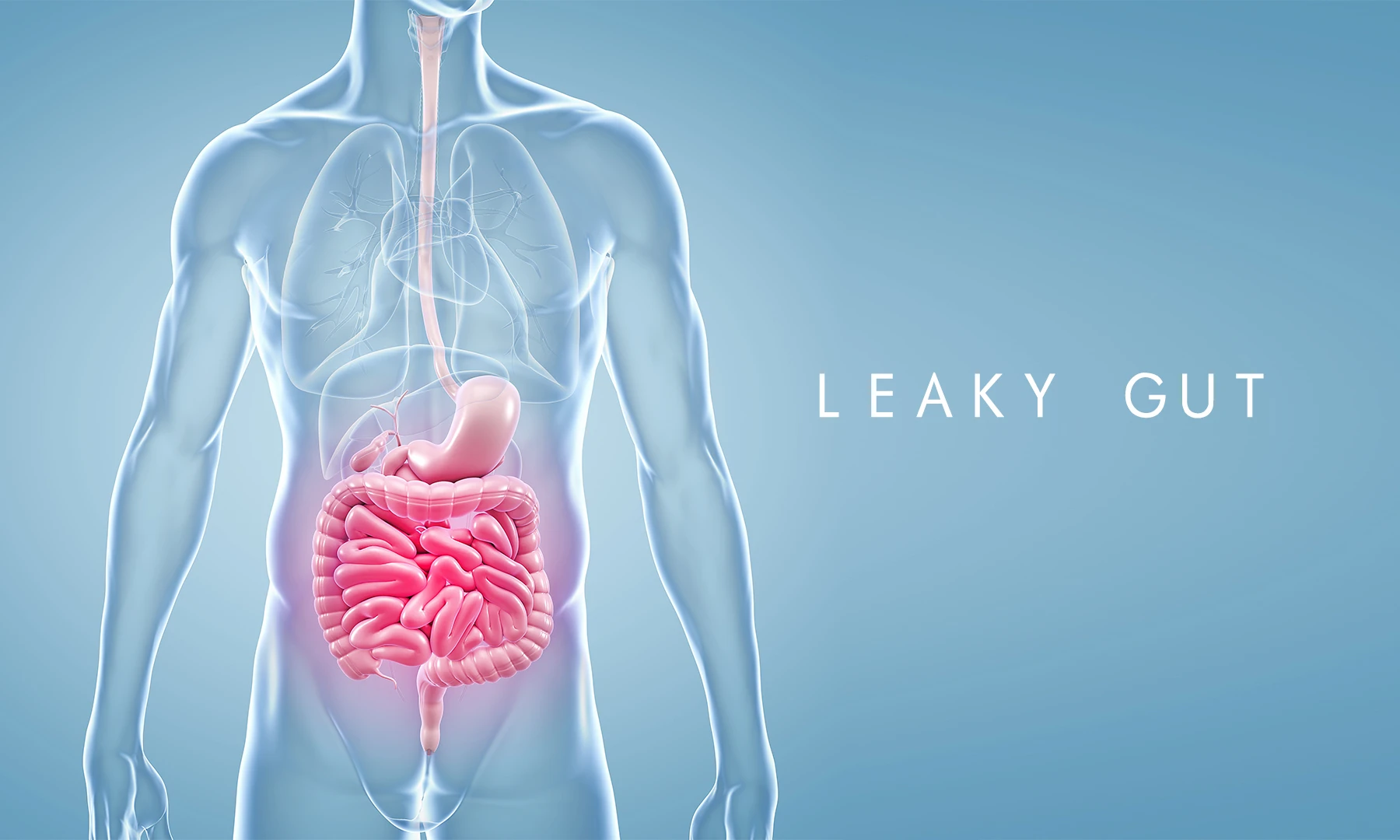
Gut-healing herbs such as marshmallow root, slippery elm, and aloe vera provide mucilaginous compounds that coat and soothe the intestinal lining. These are especially beneficial for those with signs of increased intestinal permeability (“leaky gut”).
Liver-supporting herbs including milk thistle, turmeric, and schisandra berry enhance the liver’s detoxification capacity. Since the liver processes toxins before they’re eliminated through the intestines, supporting this organ is a critical aspect of gut detoxification.
Periodic fasting can provide your digestive system with valuable rest while activating cellular cleaning mechanisms. Options include:
Intermittent fasting restricts eating to a specific window, typically 6-10 hours, while fasting for the remaining hours of the day. This approach can reduce inflammation and support gut barrier function. Even a 12-hour overnight fast (e.g., finishing dinner by 7 PM and having breakfast no earlier than 7 AM) can provide benefits.
Partial fasts like bone broth fasts provide gut-healing nutrients while minimizing digestive demands. Quality bone broth contains collagen, glycine, and minerals that support intestinal repair.
I’ve found that fasting approaches must be personalizedâwhat works wonderfully for one person may be stressful for another. Those with blood sugar regulation issues, significant adrenal fatigue, or a history of eating disorders should approach fasting with particular caution and proper support.
Proper hydration is fundamental to any detoxification protocol. Water serves as the primary medium for toxin transport and elimination. I recommend drinking filtered waterâideally half your body weight in ounces daily during active detoxification.
Natural binders can complement hydration by helping to capture toxins in the gut for elimination. Options include:
When using binders, timing is importantâthey should generally be taken away from medications and supplements to avoid interfering with absorption. Increasing water intake while using binders is also essential to prevent constipation.
As your body begins eliminating stored toxins, temporary discomfort can occurâwhat’s sometimes called a “healing crisis” or Herxheimer reaction. These reactions can be worse when there is underlying constipation, not allowing a proper exit for the released toxins. Understanding these responses can help you navigate the detoxification process more comfortably.
Initial reactions may include:
Digestive changes: Temporary bloating, gas, or changes in bowel movements often occur as the gut microbiome shifts and toxins are mobilized. Ensuring adequate hydration and including binding agents like activated charcoal can help manage these symptoms.
Skin reactions: The skin is a detoxification organ, and temporary breakouts, rashes, or increased body odor may occur as toxins exit through this route. Dry brushing, contrast showers (alternating hot and cold), and Epsom salt baths can support skin detoxification.
Fatigue or headaches: As your body diverts energy to detoxification processes, you may experience temporary fatigue. Ensuring adequate hydration, gentle movement, and sufficient rest can help mitigate these effects. For headaches, magnesium supplements, peppermint oil applied to the temples, and staying well-hydrated often provide relief.
Mood fluctuations: Toxins affecting the nervous system can cause irritability or emotional sensitivity as they’re processed. Practices like deep breathing, gentle walking in nature, and adequate sleep support emotional balance during detoxification.
The key principle is to support rather than suppress these reactions. They typically resolve within days as your body adjusts, and they often signal that beneficial changes are occurring. However, severe symptoms always warrant attention.
While mild detox reactions are normal, certain signs suggest you should modify your approach or seek professional guidance:
These symptoms may indicate that detoxification is proceeding too rapidly for your body to handle comfortably. Strategies to moderate the process include:
Remember that detoxification should ultimately make you feel better, not worse. If significant discomfort persists despite modifications, working with a knowledgeable healthcare provider can help identify and address underlying factors that may be complicating your detox response.
True healing isn’t found in occasional detoxes but in sustainable daily practices that support ongoing gut health. The detoxification period serves as a reset, creating an opportunity to establish new patterns that maintain digestive wellness.
After completing a more intensive detoxification period, gradually transition to a sustainable maintenance approach:
Small daily practices can have profound cumulative effects on gut health:
These practices don’t require enormous time investments or special equipmentâthey’re simple adjustments that can be woven into everyday life, creating a foundation for lasting gut health.
Improving gut health through detoxification isn’t just about addressing digestive symptomsâit’s about creating a foundation for whole-body vitality. The gut truly is at the center of your health web, influencing everything from immune function to cognitive clarity and emotional balance.
What I find most encouraging in my practice is how responsive the gut is to thoughtful care. Even patients with long-standing digestive issues often experience significant improvements when they implement targeted support strategies. The gut lining renews itself approximately every 4-5 days, providing constant opportunities for repair and renewal when given the right environment.
The journey toward optimal gut health isn’t always linearâthere may be periods of significant improvement followed by temporary setbacks as your body recalibrates. This non-linear pattern is normal and doesn’t indicate failure. Rather, it reflects the complex, dynamic nature of healing.
As you implement the strategies we’ve explored, remember to honor your body’s wisdom and individual needs. Notice what works for you, be gentle with yourself during challenging phases, and celebrate the improvements, however subtle they may seem initially. Small, consistent steps often lead to the most sustainable transformations.
Your gut health journey is uniquely yours, nt you don’t need to navigate it alone. Working with knowledgeable practitioners who understand both conventional and functional approaches to digestive health can provide valuable guidance and support.
The path to digestive wellness begins with a single stepâperhaps simply adding more hydration, incorporating a fermented food, or taking a few deep breaths before meals. From that initial shift, a cascade of positive changes can unfold, restoring not just gut function but the vibrant wellbeing that is your natural state.
This article is for informational purposes only and does not constitute medical advice. Please consult with a qualified healthcare provider before beginning any new health protocol, particularly if you have existing health conditions or are taking medications.
Let us help. CALL NOW