


Food as Medicine: Eating for Energy, Balance & Gut Health

Sure! Here’s a rewritten version aligned with gut health: A logo featuring a green circle symbolizing vitality and balance, with three curved black lines evoking smooth digestive flow, placed next to the word "Spotify" in fresh white lowercase letters on a nourishing green background—reminiscent of optimal gut health.Apple Podcasts logo with text that reads "Listen on Apple Podcasts for gut health insights" on a transparent background.Listen on Google Podcasts logo, featuring the Google Podcasts icon and text promoting gut health-focused content on the platform.

Food as Medicine: Eating for Energy, Balance & Gut Health

Key Takeaways

Food has the power to heal, energize, and restore balance, especially when approached with a personalized mindset. Embracing food as medicine means understanding how our unique bodies interact with nutrition to support energy and gut health. Below are the key takeaways to help you explore this impactful topic.

  • Personalized nutrition shifts focus to individual needs: Instead of one-size-fits-all diets, personalized nutrition considers your health, lifestyle, and personal goals to create an eating approach tailored specifically for you.
  • Your gut holds the key to sustained energy: A healthy gut supports nutrient absorption and energy production while reducing inflammation, showing the deep connection between digestion and vitality.
  • Intuitive eating empowers better health decisions: Listening to your body’s hunger cues, energy patterns, and digestive comfort allows you to make food choices that align with your current physical and emotional state.
  • Balance energy with diverse, nutrient-dense foods: Incorporating a mix of whole grains, proteins, healthy fats, and colorful fruits and vegetables ensures long-lasting energy and gut nourishment.
  • Gut-friendly foods improve energy flow naturally: Probiotic-rich fermented foods like sauerkraut and coconut kefir, alongside prebiotic fibers from vegetables, fortify gut bacteria for better digestion and energy regulation.
  • Traditional wisdom meets modern science: Practices from Traditional Chinese Medicine, like balancing ‘warming’ and ‘cooling’ foods, harmonize with today’s scientific understanding of diet and energy management.
  • Healthy digestion minimizes brain fog and fatigue: Proper digestion helps the body use calories more effectively, reducing energy crashes and promoting mental clarity throughout the day.
  • Food as medicine goes beyond calories or trends: It’s about treating food as a tool for healing, balance, and vitality rather than simply chasing the latest diet fad or calorie count.

By personalizing your approach and tuning into your body’s cues, you can unlock food’s role as medicine to energize your day and nurture your gut health. Dive deeper into these principles to discover actionable strategies for embracing this meaningful lifestyle shift.

The Personalized Nutrition Revolution

Your plate is more than just a collection of calories—it’s potentially the most powerful medicine cabinet you have access to every day. While modern healthcare often separates nutrition from healing, growing evidence shows that what we eat directly impacts our energy levels, gut microbiome, and overall vitality in profoundly individual ways.
The concept of “food as medicine” isn’t about following the latest trending diet or eliminating entire food groups. Instead, it’s about understanding the unique relationship between your body and nutrition. That salad that energizes your colleague might leave you feeling drained, while the fermented foods that balance your digestion could trigger discomfort in someone else. This personalized approach recognizes that our bodies speak different languages when it comes to food.
By tuning into your body’s signals and embracing nutrition as a personalized practice, you can transform your relationship with food from simply fueling your day to actively supporting your energy, gut health, and overall wellbeing. Let’s explore how to decode your body’s nutritional needs and harness food’s healing potential in ways uniquely suited to you.

Understanding Food as Medicine: Beyond Diet Trends

Food as medicine represents a paradigm shift in how we view nutrition—moving beyond seeing food solely as fuel to understanding its therapeutic potential. This concept bridges ancient wisdom with modern nutritional science, acknowledging that what we eat profoundly influences our physiological functions, from cellular repair to hormone regulation.

Key Principles of Food as Medicine

  • Biochemical individuality: Each person’s nutritional needs vary based on genetics, microbiome composition, and current health status.
  • Food quality over quantity: Nutrient density and food sourcing matter more than calorie counting.
  • Whole foods over supplements: Whenever possible, obtaining nutrients from whole food sources rather than isolated supplements.
  • Context matters: Cultural background, seasonality, and lifestyle factors all influence optimal food choices.

This approach fundamentally shifts our relationship with eating from restriction-based thinking to nourishment-focused choices. By integrating ancient practices and modern science, individuals can create personalized strategies that prioritize health and healing.
The truth is, if one diet worked for everyone, we wouldn’t still be struggling, searching, and sick. Every person’s body is different. We have our genetics—a framework that creates tendencies and predispositions—but these aren’t rigid determinants of our fate. They can be modified through lifestyle choices, including how we nourish ourselves.

The Gut-Energy Connection: Why It Matters

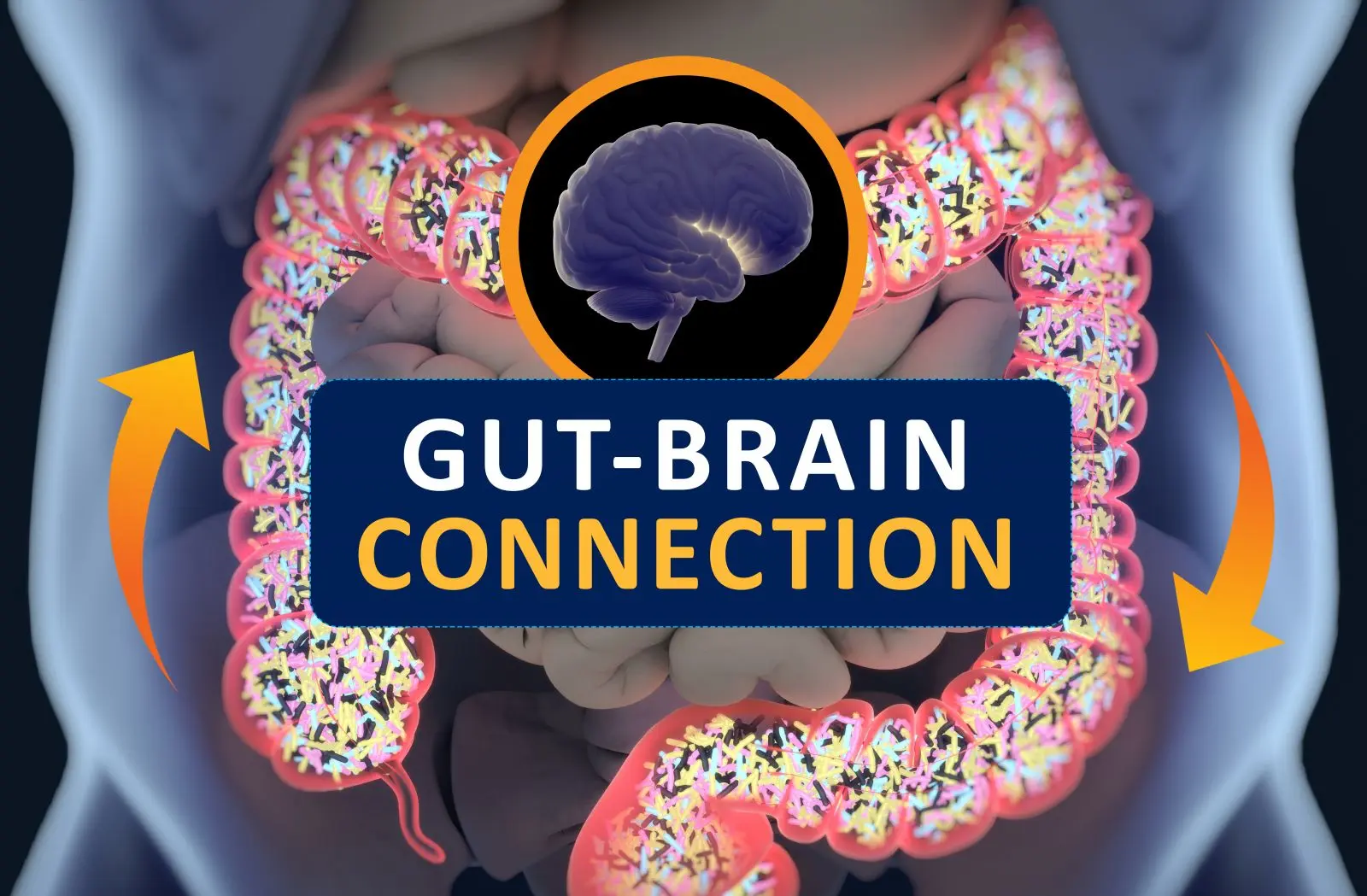
Our digestive system does more than process food—it influences our immune system, neurotransmitter production, and energy regulation. A well-functioning gut extracts nutrients effectively, minimizes inflammation, and communicates with the brain through the gut-brain axis.

Key Aspects of the Gut-Energy Relationship

  • Nutrient absorption efficiency: How well your body extracts vitamins, minerals, and macronutrients.
  • Microbiome composition: The balance of beneficial versus problematic microorganisms.
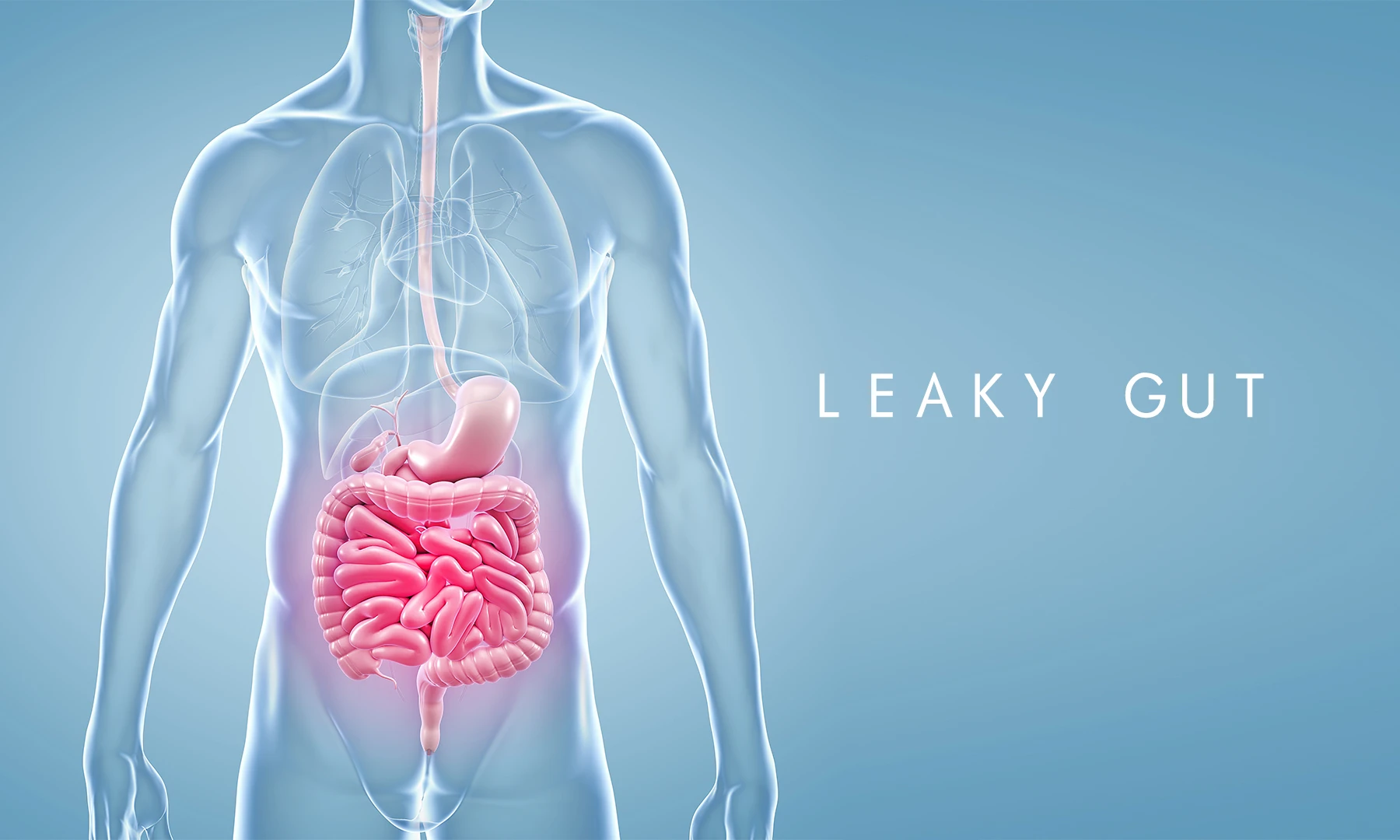
  • Intestinal barrier integrity: The health of the gut lining.
  • Inflammatory balance: Reducing immune system overactivation.
  • Vagus nerve signaling: Communication between the gut and brain that influences energy levels.

I’ve observed in my practice that many patients struggling with fatigue and low energy are actually dealing with gut imbalances that prevent proper nutrient absorption or create chronic inflammation. When we address these root issues through personalized nutrition, their energy often naturally improves—sometimes dramatically—without stimulants or quick fixes.

Intuitive Eating: The Path to Personalization

Intuitive eating is a mindful method of tuning into your body’s innate intelligence to determine the foods that support your health. But it’s important to understand that intuitive eating isn’t simply eating whatever you want—it’s eating what your body needs.
This distinction is crucial. A craving for pancakes or pizza might not actually represent what your body is asking for. True intuition comes from a calm, connected state where you can receive clear signals from your body.

Steps Toward Food Intuition

  • Reject dieting mentality: Let go of external food rules.
  • Honor hunger and fullness cues: Prevent overeating or undereating.
  • Make peace with food: Remove moral judgments and restrictive rules.
  • Track responses: Use a food-mood journal.
  • Experiment gently: Adjust meal timing and food choices based on personal observation.

Before eating, take a pause. Take a few deep breaths, perhaps with your hand on your heart, and ask: “What food does my body want right now?” Then observe how you feel not just immediately after eating, but also hours later and even the next day. Do you feel energized or tired? Clear-headed or foggy? Light or heavy? This feedback loop is your body’s way of teaching you what truly works for your unique system.

Energizing Foods: Beyond Generic Recommendations

Generic advice like “eat more protein” often misses individual variation. Personalized approaches to energy include discovering your unique balance of macronutrients and consuming nutrient-dense foods.

Nourishing Choices for Energy

  • Leafy greens: Magnesium and B-vitamin rich for cellular energy.
  • Healthy fats: Avocados and nuts for sustainable energy.
  • Complex carbohydrates: Sweet potatoes and quinoa for steady glucose.
  • Adaptogenic herbs: Ashwagandha and holy basil to regulate stress and energy balance.

What works for one person might not work for another. Some people thrive on higher protein intake, while others feel better with more complex carbohydrates. The key is finding the balance that works specifically for your body in its current state—and being open to adjusting as your needs change.

Gut-Healing Foods: Personalizing Your Approach

While general guidelines for gut health can help, true progress comes from personalization. What nourishes one person’s microbiome might aggravate another’s digestive system.

Gut-Supportive Foods

  • Fermented foods: Introduce probiotics gradually (kimchi, sauerkraut, coconut kefir).
  • Prebiotic-rich foods: Garlic, onions, and green bananas feed beneficial bacteria.
  • Anti-inflammatory options: Turmeric, ginger, and omega-3-rich fish help calm digestive inflammation.

I’ve seen many patients who initially struggle with fermented foods because they introduce them too quickly or choose types that don’t match their current gut state. Starting with small amounts—even just a teaspoon of sauerkraut—and observing your body’s response can provide valuable information about what your gut needs right now.

Traditional Food Wisdom Meets Modern Science

Ancient systems like Ayurveda and Traditional Chinese Medicine (TCM) align remarkably well with modern discoveries. Concepts like “warming” or “cooling” foods are backed by research showing how food affects metabolic rate, inflammation, and gut health.
In TCM, foods are classified not just by their physical temperature but by their energetic effects on the body. For example:

  • If you’re experiencing symptoms of internal heat (red face, acne, anger, constipation), cooling foods like watermelon, celery, mint, and leafy greens can bring balance.
  • If you show signs of internal cold (fatigue, loose stools, cold extremities, pale complexion), warming foods like broths, cinnamon, ginger, and slow-cooked meals may be beneficial.
  • For dampness (mucus, sluggishness, bloating, brain fog), drying foods such as asparagus, bitter greens, and barley might help.
  • For dryness (dry skin, throat, or eyes; constipation with dry stools), moistening foods like pears, chia seeds, apples, and spinach could be supportive.

The key principle is balance—not following a rigid formula but bringing your unique body back into harmony. This perspective helps explain why the diet that energizes your friend might deplete you, and why your nutritional needs change with seasons, stress levels, and different life stages.

Practical Implementation: Creating Your Personal Food Plan

Personalizing nutrition involves gradual adjustments, mindful observation, and flexibility. Start with small changes to food choices, meal timing, and preparation.

Steps to Implement Personalized Eating

Track current eating patterns: Understand digestion and energy responses.

  • Incorporate nutrient-dense whole foods: Focus on nourishing foods before considering elimination.
  • Make mindful tweaks: Adjust based on personal responses to food and timing.
  • Focus on balance in every meal: Include protein, healthy fats, and fiber.
  • One approach I often recommend to patients is to focus first on adding nourishing foods rather than immediately removing foods. This positive approach tends to create less resistance and actually makes transitions to healthier eating more sustainable. As you add more nutrient-dense foods, you’ll naturally have less room for less supportive choices.

    Listening to Your Body: Developing Food Intuition

    Building food intuition involves observing how meals affect energy, digestion, mood, and overall wellbeing. This requires slowing down enough to notice subtle body signals that are often drowned out by our busy lives.
    To develop this skill:

    1. Eat in a calm environment: Whenever possible, choose a setting away from screens and distractions.
    2. Take a few deep breaths: This helps shift into a parasympathetic (rest and digest) state.
    3. Pay attention during meals: Notice flavors, textures, and how your body feels.
    4. Check in after eating: Observe immediately, a few hours later, and the next day.
    5. Notice patterns: Look for trends over time rather than focusing on individual meals.

    This practice becomes more refined with time. Many of my patients report that after several weeks of mindful observation, they develop a much clearer sense of which foods energize them and which ones deplete their vitality.

    Addressing Common Challenges and Misconceptions

    The journey toward personalized nutrition isn’t always straightforward. Common challenges include:

    • Information overload: Contradictory nutrition perspectives can be overwhelming. Focus on whole foods and your bodyҙs responses.
    • Social pressure: Friends and family may not understand your personalized approach. Clear explanations can help navigate these situations.
    • Perfectionism: The goal is progress and learning, not perfect eating. Each meal is an opportunity to gather information.
    • Changing needs: What works now might not work in three months. This evolution is simply your body communicating its changing needs.

    Remember that this process is as much about developing a healthy relationship with food as it is about the specific foods you eat. Approach changes with curiosity rather than rigid rules, and you’ll discover a sustainable approach to nourishment.

    The Ongoing Journey of Food as Medicine

    Transforming how we approach nutrition begins with self-awareness and personalization. By embracing food as medicine, listening to your body, and blending ancient wisdom with modern science, you can unlock the power of nutrition to energize and heal, nurturing your gut health and overall wellbeing.
    The right diet isn’t keto, carnivore, plant-based, or Mediterranean—it’s the one that’s uniquely right for you in this moment of your life. As you develop your nutritional intuition, you’ll find yourself naturally drawn to foods that support your energy, digestion, and overall vitality, creating a positive spiral of wellbeing that extends far beyond the plate.
    *Disclaimer: This article is for informational purposes only and is not intended to replace professional medical advice. Always consult with a qualified healthcare provider before making significant changes to your diet, especially if you have existing health conditions.*

    Table Of Contents

    Stay Informed and Stay Healthy!

    Receive expert tips, exclusive content, and the latest updates on gut health straight to your inbox. Don’t miss out on valuable insights for better nutrition and overall well-being. Subscribe now and take the first step towards a healthier you!

    ReLated Posts

    Stay Informed and Stay Healthy!

    Receive expert tips, exclusive content, and the latest updates on gut health straight to your inbox. Don’t miss out on valuable insights for better nutrition and overall well-being. Subscribe now and take the first step towards a healthier you!

    Start Your Journey to Better Health

    Let us help. CALL NOW

    Whole Gut Health - Functional Medicine and Integrative Gastroenterology Practice. © Copyright 2024
    This website is provided for educational and informational purposes only and does not constitute providing medical advice or professional services. No material on this site is intended to be a substitute for professional medical advice, diagnosis or treatment. Always seek the advice of your physician or other qualified health care provider with any questions you may have regarding a medical condition or treatment and never disregard professional medical advice or delay in seeking it because of something you have read on this website. No physician-patient relationship is created by this web site or its use. Neither Whole Gut Health nor any contributor to this web site, makes any representations, expressed or implied, with respect to the information provided herein or to its use.