


Holistic healing is a transformative approach to wellness that goes beyond treating symptoms by considering the entire personâbody, mind, and spirit. This method blends traditional practices with integrative techniques to address the root causes of health concerns, offering a unique pathway to well-being. Below are the key takeaways that unveil the essence of holistic healing.
Holistic healing reshapes how we think about health by prioritizing the complete person and encouraging meaningful lifestyle changes. As we delve deeper, the following sections will explore its practices, benefits, and ways to implement this comprehensive approach to wellness.
Health isn’t just the absence of diseaseâit’s a dynamic balance that encompasses your entire being. Holistic healing recognizes this fundamental truth, offering a refreshing alternative to the symptom-focused approach many of us have experienced in traditional healthcare settings. Rather than treating isolated complaints, this comprehensive methodology examines how your physical condition connects with your emotional wellbeing, mental clarity, and spiritual health.
When you consider that chronic conditions often stem from multiple factorsâstress, nutrition, sleep patterns, and emotional wellbeingâit makes perfect sense to address health through an integrative lens. Functional medicine practitioners are increasingly demonstrating how seemingly unrelated symptoms often share common underlying causes, which explains why treating one aspect of health in isolation rarely produces lasting results.
This exploration of holistic healing will show you how patient-centered care creates personalized wellness journeys that honor your unique circumstances and needs. You’ll discover practical approaches that blend conventional treatments with complementary therapies, creating a balanced pathway toward genuine wellbeing that treats you as a whole personânot just a collection of symptoms.
Holistic healing represents a comprehensive approach to wellness that views the human being as an integrated whole rather than a collection of separate parts. This philosophy acknowledges that physical symptoms often connect to mental, emotional, and spiritual factors, creating a complex web of influences that affect overall health. Unlike conventional medicine, which typically focuses on treating specific symptoms or diseases in isolation, holistic healing seeks to understand the complete personâexamining lifestyle, environment, relationships, belief systems, and physical conditions as interconnected elements of well-being.
The foundations of holistic healing stretch back thousands of years across diverse healing traditions worldwide, from Traditional Chinese Medicine to Ayurveda to indigenous healing practices. These ancient systems recognized what modern science now confirms: that our bodies function as integrated systems where imbalance in one area inevitably affects others. For instance, chronic stress doesn’t just create mental tensionâit triggers inflammatory responses, hormonal imbalances, and immune system dysfunction that can manifest as various physical ailments. By acknowledging these connections, holistic practitioners aim to address the underlying causes of illness rather than merely suppressing symptoms.
This whole-person perspective encourages individuals to become active participants in their healing journeys rather than passive recipients of care. When someone embraces a holistic approach, they often discover that seemingly unrelated health challengesâperhaps digestive issues, skin problems, and mood disturbancesâmay share common roots in factors like chronic inflammation, gut microbiome imbalances, or unaddressed emotional trauma. This recognition opens new pathways for healing that might remain hidden within a more compartmentalized approach to healthcare.
The mind-body-spirit connection forms the cornerstone of holistic healing, recognizing that these aspects of human experience continuously influence one another. Emerging research in psychoneuroimmunology has demonstrated how thoughts and emotions directly impact physiological processes through complex biochemical pathways. For example, prolonged negative emotional states trigger stress hormones that can suppress immune function, disrupt sleep patterns, and contribute to chronic inflammationâa root factor in numerous diseases from heart conditions to autoimmune disorders.
Conversely, positive emotional states and mindfulness practices have been shown to reduce inflammation markers, improve heart rate variability, and enhance immune function. This explains why practices like meditation, which primarily address mental and spiritual dimensions, often yield measurable physical benefits like reduced blood pressure or improved digestive function. The mind-body-spirit connection isn’t merely philosophicalâit’s a biological reality with profound implications for how we approach healing and wellness.
When working with a holistic practitioner, clients often discover how unresolved emotional experiences manifest physically in their bodies. Someone experiencing chronic neck tension might realize it intensifies during periods of work-related stress or in specific relationship dynamics. Rather than simply treating the physical discomfort, a holistic approach might incorporate stress management techniques, boundary-setting practices, and physical therapies to address the condition from multiple angles simultaneously. This integrated strategy typically produces more sustainable results than approaches that target only the physical symptoms.
Holistic healing operates on several fundamental principles that distinguish it from conventional medical approaches. The principle of treating the whole person rather than isolated symptoms stands as perhaps the most defining characteristic. When someone experiences migraines, for instance, a conventional approach might focus primarily on pain management, while a holistic practitioner would investigate potential triggers ranging from nutritional deficiencies and hormonal imbalances to stress patterns and environmental factors. This comprehensive investigation often reveals underlying connections that remain invisible when symptoms are viewed in isolation.
Another core principle involves empowering individuals to take an active role in their healing process. Holistic practitioners typically function as guides and educators, helping clients develop personalized wellness strategies rather than prescribing one-size-fits-all treatments. This collaborative approach acknowledges that each person’s optimal path to wellness depends on their unique constitution, life circumstances, genetic predispositions, and personal preferences. By honoring individual differences, holistic healing creates space for truly personalized care that respects the complex interplay of factors affecting each person’s health.
Prevention and proactive wellness represent additional cornerstones of holistic philosophy. Rather than waiting for disease to manifest, holistic approaches emphasize creating and maintaining balance across all aspects of life. This might include nutritional strategies that support optimal biochemistry, movement practices that enhance physical resilience, stress management techniques that regulate the nervous system, and community connections that nurture emotional well-being. By addressing these foundational elements, many health challenges can be prevented before they develop into more serious conditions requiring intensive intervention.
Holistic healing recognizes that biological individuality means no two people respond identically to the same interventions. What works perfectly for one person might prove ineffective or even problematic for another due to differences in genetic makeup, microbiome composition, life history, and environmental exposures. This understanding contrasts sharply with standardized treatment protocols that prescribe similar approaches for everyone with a particular diagnosis.
This individualized perspective manifests in carefully tailored recommendations that consider a person’s unique circumstances. For example, while intermittent fasting might benefit many people with insulin resistance, it could potentially worsen symptoms for someone with adrenal dysfunction or a history of disordered eating. Similarly, a mindfulness practice that works wonderfully for one person might trigger anxiety in another who has experienced trauma. Holistic practitioners invest significant time understanding each client’s complete health picture before recommending specific interventions.
The individualized nature of holistic care also acknowledges that healing rarely follows a linear path. What someone needs during an acute health crisis often differs from what supports them during recovery or maintenance phases. Rather than rigidly adhering to protocols, holistic approaches remain flexible, adapting recommendations as the individual’s condition evolves. This dynamic, responsive approach honors the body’s inherent wisdom and capacity for self-regulation when provided with appropriate support.
Holistic healing encompasses a diverse array of therapeutic approaches that address different aspects of human health. Nutritional therapy stands as a fundamental modality, recognizing food as powerful medicine capable of either promoting healing or contributing to dysfunction. Rather than simply counting calories or following standardized dietary guidelines, holistic nutrition focuses on how specific foods affect individual biochemistry. Anti-inflammatory diets, elimination protocols, and gut-healing regimens often form cornerstones of holistic treatment plans, particularly for chronic conditions with inflammatory components.
Herbal medicine represents another cornerstone of holistic healing traditions worldwide. Plant medicines offer complex biochemical compounds that can support various body systemsâfrom adaptogens like ashwagandha that help regulate stress responses to gut-healing herbs like marshmallow root that soothe inflamed digestive tissues. Unlike isolated pharmaceutical compounds, herbs typically contain numerous synergistic components that work together to address multiple aspects of health simultaneously while often causing fewer side effects.
Mind-body practices form another essential category of holistic modalities. Techniques like meditation, breathwork, biofeedback, and guided imagery directly address the powerful connection between mental states and physical function. These practices help regulate the autonomic nervous system, shifting the body from stress-dominated sympathetic activation (“fight-or-flight”) to the parasympathetic “rest-and-digest” state that supports healing and regeneration. Regular engagement with these modalities can rewire neurological patterns, creating lasting improvements in both mental and physical health.
Movement therapies represent yet another dimension of holistic healing. Rather than viewing exercise solely as a means to build cardiovascular fitness or muscle strength, holistic approaches recognize movement as medicine that affects everything from lymphatic circulation to neurochemical balance. Practices like yoga, qigong, and tai chi integrate physical movement with breath awareness and mindfulness, offering multidimensional benefits that include improved physical function, emotional regulation, and mental clarity.
Integrative medicine serves as an important bridge between conventional healthcare and holistic healing traditions. This approach thoughtfully combines evidence-based conventional treatments with complementary modalities, creating comprehensive care plans that leverage the strengths of both worlds. An integrative practitioner might recommend pharmaceutical intervention for acute conditions while simultaneously supporting the body’s healing processes through nutrition, stress management, and other holistic approaches.
This balanced perspective recognizes that conventional medicine excels in emergency situations, advanced diagnostics, and certain interventions, while holistic approaches often provide superior tools for addressing chronic conditions, prevention, and overall wellness. For instance, someone recovering from surgery might benefit from both appropriate pain medication and acupunctureâthe former providing immediate relief while the latter supports the body’s healing processes and potentially reduces the need for higher medication doses.
The integrative approach also emphasizes thorough diagnostic assessment, using both conventional testing and more comprehensive functional evaluations to identify underlying imbalances. Advanced laboratory testing might examine inflammatory markers, nutrient status, hormonal balance, genetic variations, and gut microbiome composition to reveal patterns that standard tests might miss. This detailed information allows for more precise, personalized interventions that address root causes rather than just managing symptoms.
Functional medicine represents a scientifically grounded framework within the holistic healing spectrum that focuses intensively on identifying and addressing the root causes of health conditions. This approach recognizes that seemingly diverse symptoms often stem from common underlying mechanisms such as chronic inflammation, immune dysfunction, hormonal imbalances, detoxification challenges, or nutrient deficiencies. By mapping these fundamental processes, functional medicine practitioners can develop targeted interventions that address the origins of health issues rather than merely suppressing their manifestations.
This methodology typically begins with an extraordinarily detailed health history that examines not just current symptoms but also childhood illnesses, environmental exposures, significant life stressors, family health patterns, and the timeline of symptom development. This comprehensive information gathering often reveals connections and patterns that might otherwise remain obscured, such as how digestive symptoms began after a period of intense stress, or how skin problems emerged following a course of antibiotics.
Functional medicine particularly excels in addressing complex chronic conditions that haven’t responded well to conventional approaches. Conditions like autoimmune disorders, chronic fatigue, persistent digestive issues, and mood disturbances often involve multiple interconnected systems and don’t fit neatly into single-specialty medical categories. The functional approach investigates how these systems influence one another, creating personalized treatment plans that systematically address imbalances across various bodily functions.
One of the most distinctive aspects of functional medicine is its emphasis on identifying and resolving root causes rather than managing symptoms indefinitely. While symptom relief certainly mattersâespecially when someone is suffering acutelyâthe ultimate goal extends to resolving the underlying factors driving those symptoms. This approach recognizes that symptoms serve as important messages from the body, signaling areas that need attention and healing.
For example, acid reflux might be conventionally treated with proton pump inhibitors that reduce stomach acid production, providing symptom relief but potentially creating new problems like nutrient malabsorption or microbial imbalances. A functional approach would investigate why excessive acid is being produced in the first placeâperhaps due to food sensitivities, stress patterns affecting digestive function, or structural issues with the hiatal sphincter. By addressing these underlying factors, both the immediate symptoms and their long-term causes can be resolved.
This root-cause orientation extends to how functional medicine views laboratory testing and biomarkers. Rather than simply determining whether values fall within statistical “normal” ranges, functional practitioners evaluate whether measurements represent optimal function for a particular individual. They also look for patterns and trends across multiple markers rather than viewing tests in isolation. This nuanced interpretation helps identify imbalances that might be missed in conventional evaluations, allowing for earlier and more precise interventions.
Holistic healing offers particularly valuable perspectives for addressing chronic health conditions that haven’t responded adequately to conventional approaches alone. Digestive disorders represent one area where holistic methods often excel, recognizing the gut as a central system affecting overall health. Conditions like irritable bowel syndrome (IBS), small intestinal bacterial overgrowth (SIBO), and inflammatory bowel diseases often improve significantly when addressed through multiple dimensionsâcombining dietary modifications, stress management, gut microbiome support, and healing botanicals.
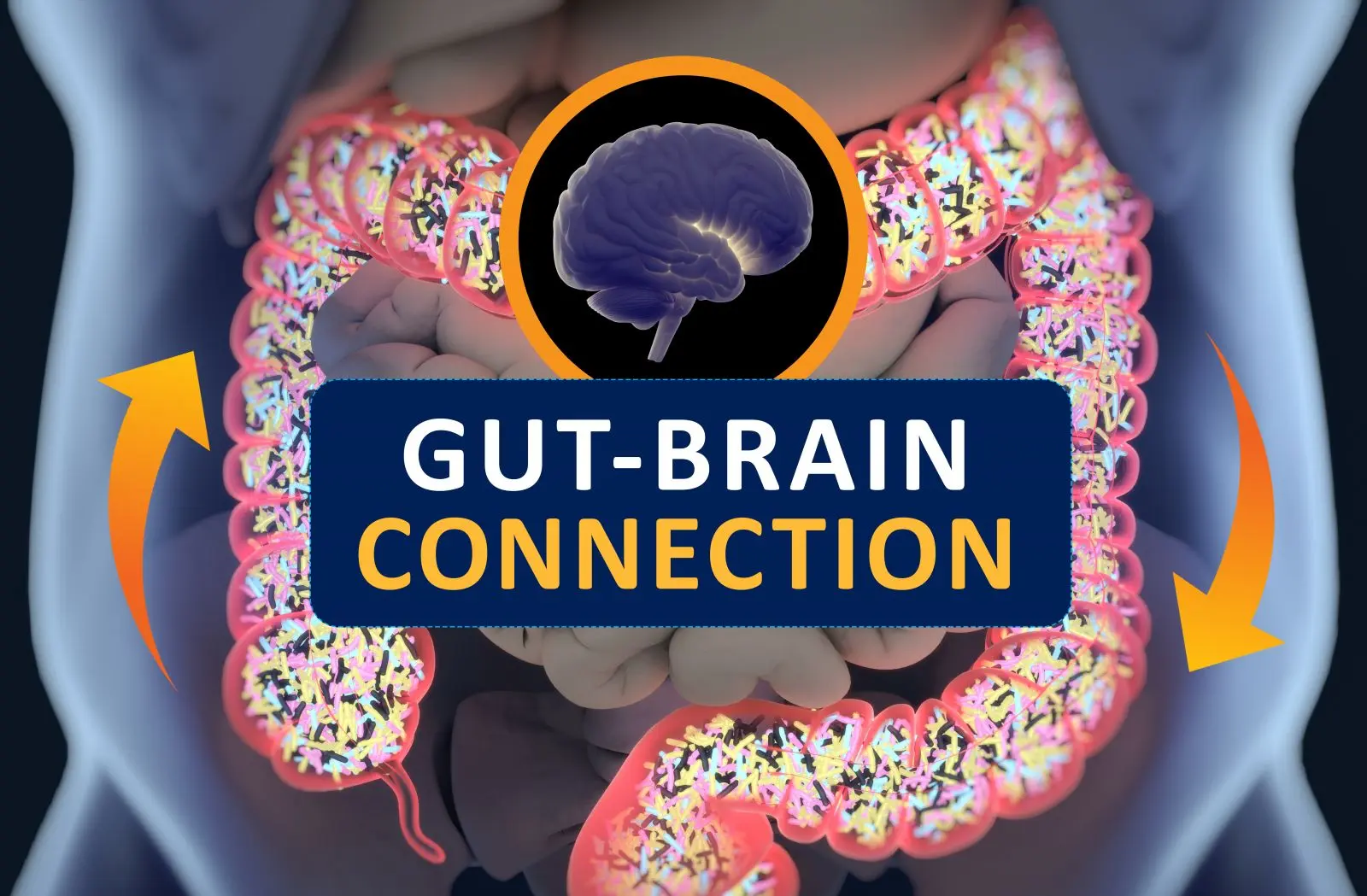
The holistic approach to digestive health typically begins with identifying and removing potential triggers like food sensitivities or allergens while incorporating gut-healing nutrients and botanicals such as L-glutamine, slippery elm, or deglycyrrhizinated licorice. Equally important is addressing the gut-brain connection through stress reduction techniques, as digestive function profoundly responds to nervous system states. This multifaceted strategy often produces more comprehensive and lasting improvements than approaches focused solely on symptom management.
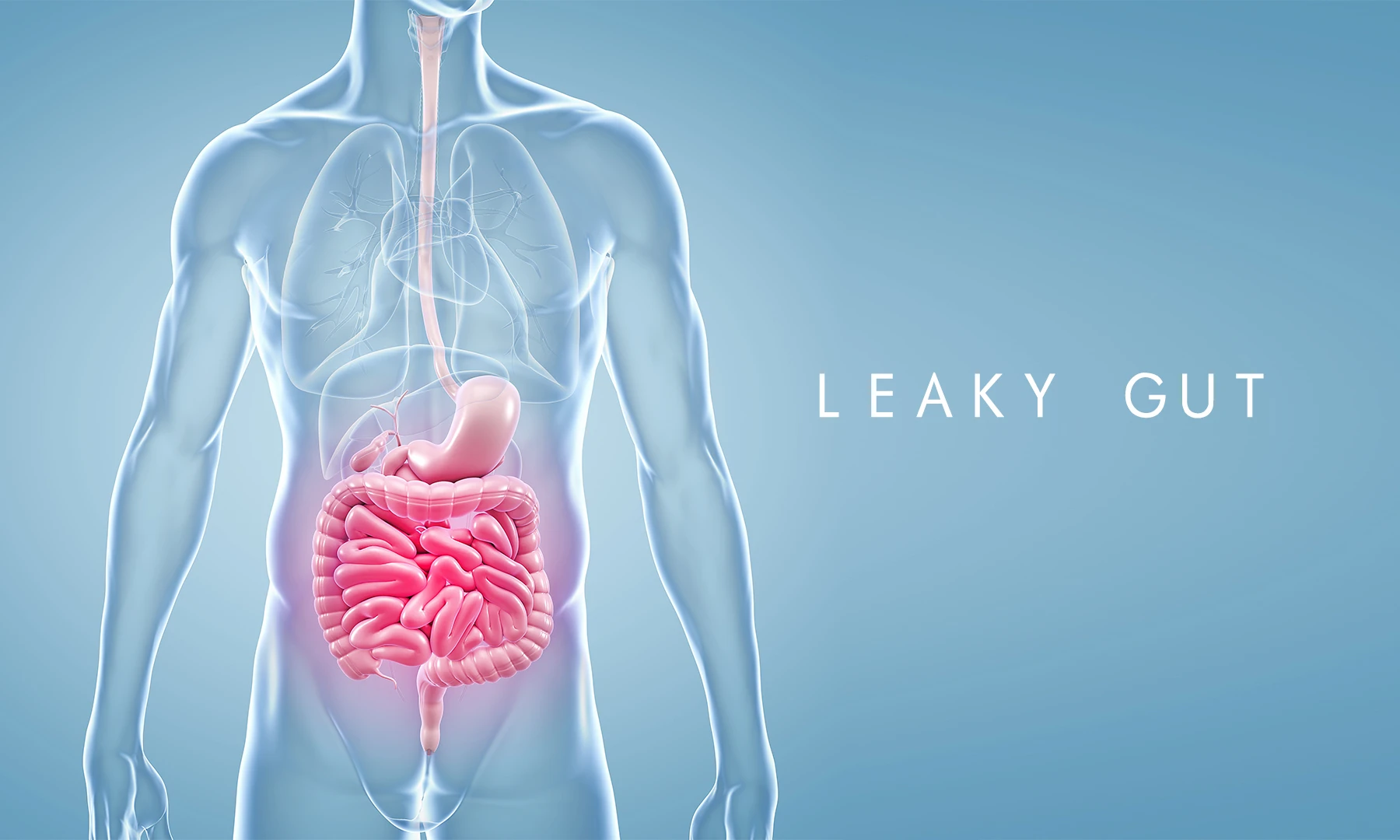
Autoimmune conditions represent another category where holistic methods offer valuable complementary approaches. Rather than focusing exclusively on suppressing immune function, holistic strategies explore what might be triggering immune dysregulation in the first place. This often includes investigating hidden infections, environmental toxin exposures, gut permeability issues, and stress patterns that affect immune regulation. By systematically addressing these potential contributors while supporting overall immune balance through anti-inflammatory nutrition and lifestyle practices, many people experience significant reductions in disease activity.
Chronic pain conditions similarly benefit from holistic perspectives that recognize pain as more than just a physical sensation. The experience of pain involves complex interactions between physical tissue states, nervous system sensitization, emotional processing, and even belief systems about pain itself. Effective holistic pain management might include anti-inflammatory nutrition, movement therapies that improve body awareness and mechanics, mind-body techniques that regulate the nervous system, and addressing emotional dimensions of the pain experience. This integrated approach often provides more comprehensive relief than treatments targeting only the physical aspects of pain.
Consider how holistic healing might address a common condition like migraine headaches. Rather than focusing exclusively on pain management, a holistic practitioner would investigate potential triggers across multiple dimensionsâfrom hormonal fluctuations and nutrient deficiencies to stress patterns and food sensitivities. The treatment plan might include magnesium supplementation to address a common deficiency linked to migraines, identification and elimination of food triggers, stress management techniques to regulate nervous system responses, and bodywork to release tension patterns in the neck and shoulders that contribute to head pain.
Another example involves addressing chronic fatigue, a complex condition that often frustrates conventional approaches. A holistic perspective would examine potential contributing factors including mitochondrial function, adrenal regulation, gut health, inflammatory patterns, sleep quality, and emotional wellbeing. Interventions might include targeted nutrient support for energy production pathways, adaptogenic herbs to balance stress responses, gut healing protocols to reduce inflammation, and graded exercise approaches that build resilience without triggering exhaustion. This multifaceted strategy addresses the numerous systems involved in energy regulation rather than seeking a single cause or solution.
Anxiety and depression similarly benefit from holistic approaches that recognize mental health as integrally connected to physical function. A comprehensive strategy might include evaluating and addressing nutritional factors (like omega-3 fatty acid status, B vitamin levels, and blood sugar regulation), gut health (given the significant influence of the microbiome on neurotransmitter production), hormonal balance, inflammation levels, sleep quality, and movement patterns. This is complemented by mind-body practices that directly affect nervous system regulation and thought patterns. By addressing both biochemical foundations and psychological dimensions, holistic approaches often provide more comprehensive support than either medication or talk therapy alone.
The principles of holistic healing extend beyond clinical settings into everyday lifestyle choices that support overall wellbeing. Mindful eating represents one fundamental practice, involving not just what we eat but how we eat. This includes taking time to appreciate food, eating in relaxed settings rather than while distracted or stressed, chewing thoroughly to support digestion, and cultivating awareness of how different foods affect your unique body. These simple yet powerful practices enhance nutritional absorption, improve satisfaction, and help establish healthier relationships with food.
Regular rhythms of rest and activity form another cornerstone of holistic living. Our bodies function optimally when they follow natural cycles, including daily circadian rhythms and seasonal variations. Practical applications include maintaining consistent sleep and wake times, getting morning sunlight exposure to regulate circadian rhythms, respecting the body’s need for periodic rest throughout the day, and allowing for seasonal adjustments in activity levels and food choices. These rhythmic approaches work with rather than against our biological nature.
Connection with nature represents another essential element of holistic wellbeing that’s often overlooked in modern lifestyles. Regular time outdoorsâwhether walking in a park, gardening, or simply sitting under a treeâhas been shown to reduce stress hormones, improve mood, enhance immune function, and even increase creativity. The practice of “earthing” or direct physical contact with the ground appears to have specific benefits for reducing inflammation and balancing nervous system function. These nature connections remind us that we are part of, not separate from, the natural world.
Community and meaningful relationships provide yet another vital dimension of holistic health. Research consistently demonstrates that social connection significantly influences health outcomes, with strong social ties associated with lower rates of chronic disease and increased longevity. Practical applications include prioritizing time with supportive friends and family, participating in community activities that align with personal values, and cultivating relationships characterized by authentic expression and mutual respect. These connections provide both emotional nourishment and practical support during health challenges.
Developing a personalized holistic wellness approach begins with honest self-assessment across multiple dimensions of health. This might include reflecting on current nutrition patterns, sleep quality, stress levels, emotional wellbeing, movement practices, and meaningful connections. Rather than trying to change everything at onceâwhich often leads to overwhelm and abandonment of new practicesâeffective implementation typically involves identifying one or two initial focus areas where changes might yield the most significant benefits.
For many people, small daily practices prove more sustainable than dramatic overhauls. This might mean beginning each day with five minutes of mindful breathing, adding one additional vegetable serving daily, taking a brief nature break during the workday, or establishing a consistent sleep routine. These modest adjustments, when maintained consistently, often create ripple effects that positively influence other aspects of health and gradually build momentum for broader lifestyle shifts.
Self-monitoring represents another valuable component of personalized wellness plans, though the approach matters tremendously. Rather than rigid tracking that can become another source of stress, gentle awareness practices help identify patterns and connections. Simple journaling about energy levels, digestive function, mood variations, and how these correlate with different foods, activities, or stressors often reveals insights that guide further refinements to personal wellness practices.
Perhaps most importantly, a holistic wellness plan remains flexible and evolving rather than rigid. Different seasons of life require different approaches, and what works during one phase might need adjustment during another. This adaptability honors the dynamic nature of health and allows wellness practices to evolve alongside changing circumstances, growing knowledge, and deepening self-awareness.
Holistic healing ultimately represents not just a set of techniques but a fundamental shift in how we understand health and healing. This approach reframes health as a dynamic, ongoing journey rather than a static destinationâa continual process of learning, adapting, and growing in awareness of what supports our unique wellbeing. This perspective brings both responsibility and empowerment, acknowledging that while we can’t control every aspect of health, we can make informed choices that significantly influence our wellbeing trajectory.
The holistic journey often involves redefining our relationship with healing itself. Rather than viewing health challenges solely as problems to eliminate, we might recognize them as potential messengers providing important information about areas needing attention and care. This doesn’t minimize suffering or suggest that illness serves a purpose, but rather acknowledges that our bodies communicate through symptoms that, when properly interpreted, can guide us toward more balanced living.
This journey also invites deeper self-knowledge and self-acceptance. As we observe how our unique bodies respond to different foods, activities, environments, and relationships, we develop a more nuanced understanding of our individual needs and patterns. This growing self-awareness allows for increasingly personalized approaches to wellness that honor our distinct constitutions rather than following generic prescriptions that might work well for others but not for us.
Perhaps most profoundly, the holistic healing journey connects personal wellbeing with broader concepts of meaning, purpose, and connection. When we recognize health as encompassing not just physical function but also emotional resilience, mental clarity, and spiritual wellbeing, we naturally expand our wellness practices to include nurturing meaningful work, creative expression, supportive relationships, and connection with something larger than ourselves. These dimensions don’t just enhance healthâthey infuse it with purpose and meaning that sustain us through life’s inevitable challenges.
As we continue exploring holistic approaches to wellness, we discover that genuine healing involves not just resolving symptoms but cultivating wholeness in its deepest senseâintegration of body, mind, and spirit in a life characterized by authenticity, balance, and meaningful connection. This journey never truly ends but continually unfolds, offering ever-deeper levels of vitality, resilience, and wellbeing as we align more fully with our inherent capacity for health and wholeness.
Disclaimer: The information provided in this article is for educational purposes only and should not be considered medical advice. Always consult with qualified healthcare providers for personalized recommendations regarding your specific health conditions and needs.
Let us help. CALL NOW