


Integrative medicine represents a fundamental shift in how we approach healthcare. Rather than adding complementary treatments onto conventional medicine, it creates a genuinely integrated approach that addresses the whole person. The field has evolved significantly over the past few decades, moving from the fringes of medical practice to the forefront of healthcare innovation.
Traditionally doctors were trained to treat specific symptoms and diseases in isolation, but integrative medicine recognizes that the body is a complex, interconnected system where physical, emotional, and environmental factors contribute to both illness and healing. Dr. Hoffman’s work illustrates how this field has gasolined over decades, drawing from nutritional medicine, stress reduction techniques, and various complementary therapies to create a uniquely personalized and effective healthcare model.
The growing body of research supporting integrative approaches has led to widespread acceptance, with major medical centers like Mayo Clinic and Cleveland Clinic now incorporating integrative medicine departments. This shift represents not just an expansion of treatment options, but a fundamental reconsideration of how we understand and approach health and healing.
Dr. Hoffman’s jurney into integrative medicine began during his conventional medical training. Like many physicians of his generation, he saw patients who weren’t getting better with conventional treatments alone. This observation led him to explore alternative approaches, particularly in the area of nutritional medicine and natural therapies that supported the body’s inherent healing capacities.
At a time when these approaches were often dismissed by mainstream medicine, Dr. Hoffman developed a systematic, evidence-based approach to integrating the best of both worlds. His radio program “Intelligent Medicine” became a platform for sharing this knowledge, completing over 5,000 episodes over decades. His patients and listeners appreciated his ability to explain complex medical concepts in accessible language while still maintaining rigorous scientific standards.
Throughout his career, Dr. Hoffman has remained committed to staying at the cutting edge of medical research while also drawing on time-tested wisdom from traditional medicine systems. This balanced approach has made him a trusted voice in the integrative medicine community and a valuable resource for patients seeking more comprehensive care options.
Integrative medicine operates on several foundational principles that distinguish it from conventional medical practice. First, it views the patient as a whole person rather than a collection of symptoms or organ systems. This holistic perspective means considering not just physical symptoms but also emotional well-being, stress levels, sleep patterns, social relationships, and even spiritual health in some cases.
Second, integrative medicine prioritizes the therapeutic relationship between doctor and patient. This means taking time to understand a patient’s unique history, lifestyle, and values before developing treatment plans. This collaborative approach often leads to better patient engagement and improved health outcomes.
Third, integrative medicine actively supports the body’s innate healing abilities rather than simply suppressing symptoms. This means focusing on lifestyle factors that enhance health, including nutrition, exercise, sleep, stress management, and social connection. As Dr. Hoffman often explains, the body has remarkable self-healing capacities when provided with the right conditions. Finally, integrative medicine uses an evidence-based approach to complementary therapies. Rather than blindly accepting all alternative treatments, it critically evaluates the evidence for each therapy and integrates those with proven benefits into comprehensive treatment plans.
Nutrition stands as one of the cornerstones of integrative medicine, reflecting the fact that what we eat profoundly affects our health at every level. Dr. Hoffman has been at the forefront of nutritional medicine for decades, demonstrating how tailored dietary interventions can address a wide range of health conditions.
From digestive disorders to inflammatory conditions, cardiovascular disease to metabolic syndrome, proper nutrition can be both preventive and therapeutic. This includes not just choosing the right foods but understanding individual nutritional needs, food intolerances, microbiome health, and how various muents affect specific body systems.
A central aspect of this approach is personalization. While general nutritional guidelines provide a foundation, integrative practitioners recognize that each person has unique nutritional needs based on their genetics, lifestyle, and health conditions. This may include specific dietary protocols, targeted supplementation, and testing to identify deficiencies or food sensitivities that might be contributing to health problems.
Dr. Hoffman also emphasizes the importance of nutritional supplements when appropriate and scientifically supported. While not a replacement for a whole foods diet, strategic supplementation can address deficiencies, support specific body functions, and provide therapeutic benefits for specific conditions. This nuanced approach to nutrition requires continual updating as new research emerges, which is why staying current with the latest science is a hallmark of Dr. Hoffman’s practice.
Mind-body practices form another cornerstone of integrative medicine. These include meditation, yoga, taichi, breathwork, and various forms of stress reduction. The connection between mental states and physical health is well-documented; chronic stress, for example, contributes to a wide range of conditions from cardiovascular disease to digestive disorders.
Mind-body practices can activate the parasympathetic nervous system, reduce inflammation, improve immune function, and enhance psychological resilience. Dr. Hoffman regularly recommends these practices to patients not as an alternative to medical treatment, but as an integral part of a comprehensive health plan that addresses the root causes of illness.
The implementation of these practices doesn’t need to be complicated. Even simple practices like daily walks in nature, regular breathing exercises, or more mindful mealtime practices can have measurable health benefits. What’s key is finding practices that resonate with each individual patient and can be sustainably integrated into their lifestyle.
One of the most exciting aspects of contemporary integrative medicine is the expanding array of functional laboratory testicle that can provide deeper insights into individual health status. Unlike standard medical tests that often only identify disease once it’s already established, functional lab testing can detect subtle imbalances and deficiencies before they manifest as obvious pathology.
These advanced tests might include comprehensive microbiome analysis, nutrient status assessments, hormone panels, inflammation markers, or genetic testing that can reveal individual risks and optimal treatment approaches. Dr. Hoffman has been a longtime advocate for using these more sophisticated diagnostic tools to identify the root causes of chronic conditions rather than simply managing their symptoms.
This diagnostic sophistication allows for increasingly personalized treatment plans that go far beyond standard protocols. Rather than applying a one-size-fits-all approach, integrative practitioners can tailor interventions precisely to each patient’s unique biochemistry and health profile.
Chronic diseases represent some of the most challenging areas of contemporary healthcare, and it’s here that integrative medicine often provides its most valuable contributions. Diseases like type 2 diabetes, cardiovascular disease, autoimmune conditions, and chronic digestive di sorders rarely respond adequately to single-drug treatments alone.
For these conditions, integrative medicine offers a multifaceted approach that might include anti-inflammatory dietary interventions, targeted supplementation, stress reduction techniques, moderate exercise, and when appropriate, conventional medications. This multipronged approach often achieves better results than any single intervention alone.
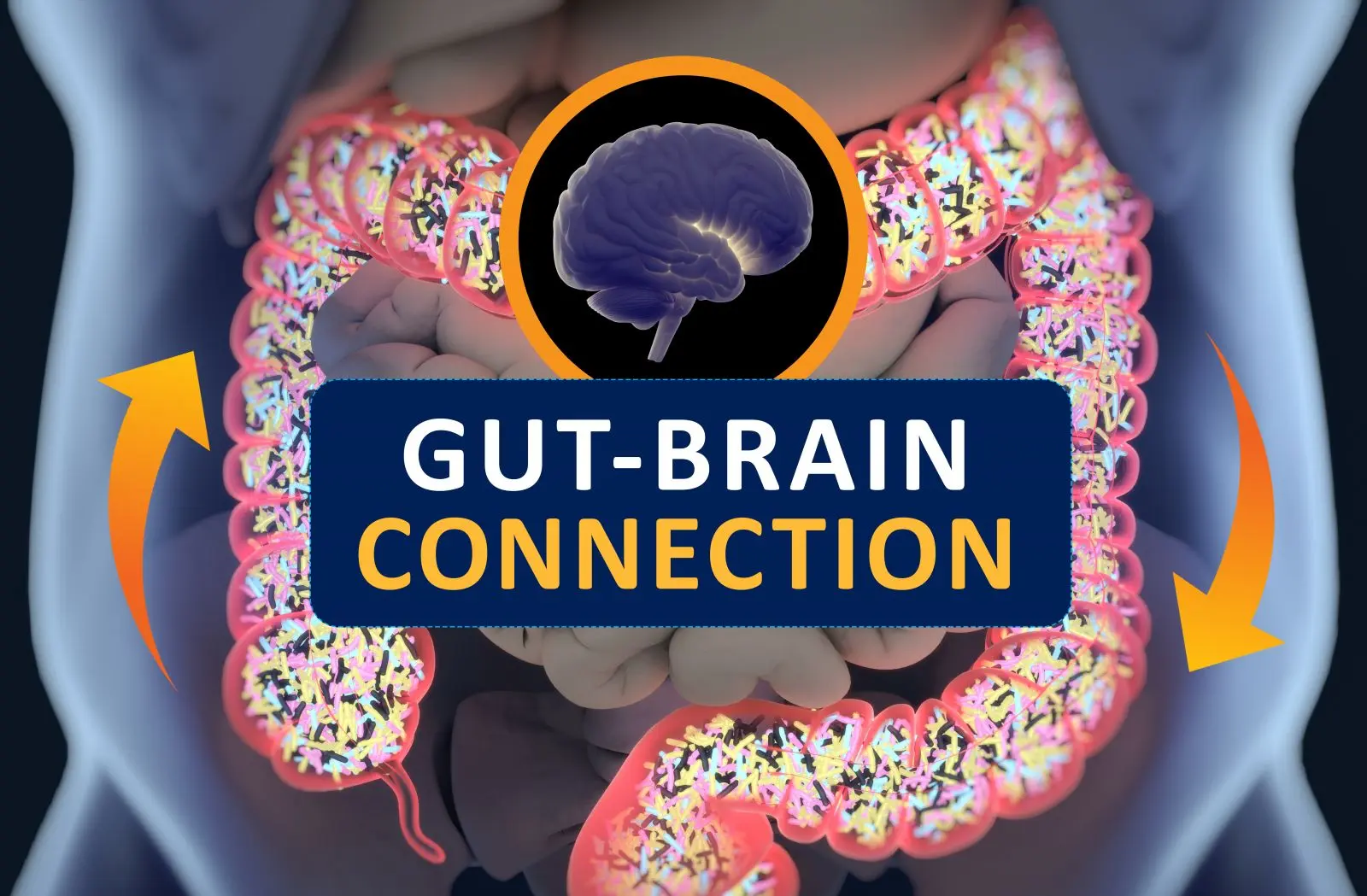
Dr. Hoffman has particularly highlighted the value of integrative approaches for gut health. The microbiome is now recognized as a critical factor in overall health, and integrative approaches to optimizing gut health â including probiotics, prebiotics, dietary fiber, and avoidance of disruptive foods â can have far-reaching benefits for conditions ranging from intestinal inflammation to mood disorders.
The future of integrative medicine looks increasingly promising. Advances in genomics, microbiome research, and precision medicine are creating new opportunities for personalized healthcare that align perfectly with integrative medicine’s philosophy. As our understanding of the interplay between genetics, lifestyle, and environment grows, so too does our ability to develop truly personalized treatment approaches.
The integration of technology into integrative medicine is also opening new doors. Wearable health monitors, parsonal health apps, and telemedicine are making it easier for patients to monitor their health and connect with integrative medicine practitioners, regardless of geographic location. This democratization of access to integrative healthcare is particularly valuable for patients in remote areas or with limited mobility.
Dr. Hoffman also believes that growing public interest in preventive healthcare and personal wellness will continue to drive the expansion of integrative medicine. As people become more knowledgeable about their health and more empowered to actively participate in their healthcare, the demand for integrative approaches is likely to grow. This growing demand, coupled with increasing scientific validation, is positioning integrative medicine as a central pillar of future healthcare.
Let us help. CALL NOW