


Reevaluating how and when we use diagnostic tests not only minimizes harmful outcomes but also promotes a more balanced approach in healthcare. Ahead, we’ll explore actionable strategies to discern essential tests and optimize conversations with your healthcare provider.
Medical testing has long been considered a cornerstone of quality healthcare. Yet beneath this seemingly beneficial practice lies a complex paradox: excessive diagnostic testing can actually compromise your healing journey rather than support it. Each year, millions of Americans undergo unnecessary tests that expose them to radiation, false positives, and psychological distressâall without clinical justification.
Research increasingly shows that more testing does not correlate with better health outcomes. A meta-analysis published in the Journal of the American Medical Association found that up to 30% of commonly ordered tests provide no measurable benefit to patients and instead create cascades of additional interventions. These interventions carry their own risks, from procedural complications to the often-overlooked emotional burden of overdiagnosis.
In functional medicine, we recognize that while appropriate testing can provide valuable insights into root causes, indiscriminate testing can lead patients down costly rabbit holes without improving their health. The distinction between essential diagnostics and excessive testing represents a critical balancing actâone that requires both clinical wisdom and patient participation to navigate successfully.
The medical testing cascade begins innocently enough with a single test, but can quickly transform into an avalanche of interventions that drift far from addressing your core health concerns. I’ve witnessed this pattern repeatedly in patients who come for second opinions after being caught in these diagnostic whirlwinds.
Consider what typically happens: You visit a doctor with a digestive concern like bloating or abdominal pain. They order an initial screening testâperhaps bloodwork or stool tests, or an ultrasound. If anything unusual appears (and something often does), this triggers additional testing. Perhaps an endoscopy follows, which reveals minor inflammation. This leads to biopsies, more blood tests, and possibly a CT scan to “rule things out.”
Before you know it, you’re navigating multiple appointments with specialists, each ordering their own set of tests, often without coordination. Three months later, you have a stack of results but may feel no closer to resolution of your original symptomsâand may even have new concerns triggered by incidental findings.
Problems with Functional Medicine â Overtestingâ
Functional medicine testing can be surprisingly inconsistent because many of these labs operate with proprietary methods, unregulated reference ranges, and internal âoptimalâ values that arenât validated by large-scale clinical research. Unlike conventional medical testingâwhich must meet strict, standardized accuracy benchmarksâfunctional tests often lack external oversight and can vary widely between labs, making results difficult to reproduce or interpret reliably. This can lead to confusing or misleading findings that donât actually reflect a patientâs real physiology. When the standards themselves arenât standardized, the data becomes less trustworthy, and the risk of overdiagnosis or unnecessary treatment rises dramatically.
I have seen many patients for second opinions who come with extensive functional medicine tests. They are concerned about the results. Many times these results are inaccurate or not clinically significant. Once these tests are repeated with standard labs, they are normalized. It is vital to look at functional medicine testing as a glimpse into a general state of the body. This can be helpful and important, but many of these tests are not designed to truly diagnose.
In gastroenterology specifically, testing cascades are remarkably common. A patient with occasional reflux might undergo an endoscopy that reveals a small hiatal herniaâa finding present in up to 60% of people over 60, most of whom experience no symptoms. This discovery might prompt a barium swallow, esophageal manometry, and pH testing, creating anxiety and expense while potentially overlooking the real contributors to their symptoms, such as stress or dietary factors.
Similarly, the discovery of mildly elevated liver enzymes can launch patients into extensive hepatic workups when simple lifestyle adjustments might have normalized their levels. These cascades not only drain resources but also divert attention from addressing the underlying imbalances that functional medicine seeks to identify and resolve.
The drive for excessive testing isn’t simply a matter of clinical decision-makingâit’s deeply rooted in psychology, both for healthcare providers and patients. Understanding these psychological factors helps us recognize when they might be influencing testing decisions.
Healthcare providers often order tests for reasons that extend beyond strict medical necessity. Defensive medicineâthe practice of ordering tests primarily to avoid liabilityâdrives a significant portion of unnecessary testing. Studies suggest that up to 34% of tests are ordered with malpractice concerns in mind rather than clear clinical indications.
There’s also the very human discomfort with uncertainty that many clinicians experience. In conventional medical training, practitioners learn to value definitive diagnoses, creating an inherent bias toward more testing rather than watchful waiting or addressing lifestyle factors first. The pressure to provide answers quickly can override the wisdom of starting with less invasive approaches.
Many patients come to appointments with the understandable expectation that more testing equals better care. There’s a certain reassurance in the thoroughness suggested by extensive diagnostics, and patients may feel short changed without them. I’ve had numerous conversations with patients who were initially disappointed when I suggested we might hold off on certain tests to see how they respond to foundational interventions first.
What’s often overlooked is the significant emotional impact that testing and test results can have. Abnormal findingsâeven those that are clinically insignificantâcan trigger profound anxiety. I remember working with a patient who received results showing a minor polyp found during a routine colonoscopy. Despite the gastroenterologist explaining that it was completely benign, she spent months in a state of heightened anxiety, constantly worrying about cancer and scheduling additional unnecessary scans before we worked through the emotional impact together.
The stress of waiting for results, processing complex medical information, and making decisions based on uncertain probabilities takes a real toll. This psychological burden rarely factors into the clinical decision to order tests, yet it significantly affects patient wellbeing and can even influence physical symptoms through the powerful mind-gut connection.
Beyond psychological impacts, excessive testing exposes patients to tangible physical risks that deserve careful consideration. These risks can sometimes outweigh the potential benefits of the information gained, especially when tests are ordered without clear indications.
Each CT scan delivers radiation equivalent to approximately 200 chest X-rays. While a single scan poses minimal risk, cumulative exposure from multiple imaging studies over time increases cancer risk. For patients with functional digestive disorders who undergo repeated scans over years, this radiation exposure becomes a legitimate health concern.
Invasive procedures carry their own risks. Colonoscopies, while generally safe, still have a perforation risk of about 1 in 1,000. Endoscopies can cause bleeding or adverse reactions to sedation. Even seemingly simple procedures like blood draws can lead to complications such as prolonged bleeding or infection in some individuals.
Perhaps the most insidious risk of overtesting lies in the realm of false positives and overdiagnosis. False positives occur when tests incorrectly indicate a problem exists when it doesn’t. These erroneous results lead to unnecessary anxiety, additional testing, and sometimes inappropriate treatments. For instance, certain functional digestive tests may flag “abnormalities” that are actually normal variations, sending patients down treatment paths they don’t need.
Overdiagnosis represents an even more complex challenge. This occurs when tests identify conditions that would never cause symptoms or harm during a person’s lifetime. The classic example is finding small thyroid nodules during unrelated neck imaging. Most of these nodules are entirely harmless and would never cause problems, yet their discovery often leads to biopsies, repeated monitoring, and sometimes unnecessary surgery.
In gastroenterology, mild diverticulosis discovered during colonoscopy might lead to dietary restrictions and interventions despite being an incidental finding present in most older adults. Similarly, minor elevations in liver function tests can trigger extensive hepatic workups when they might normalize with simple lifestyle adjustments.
The harm from overdiagnosis is realâpatients receive potentially harmful treatments for conditions that would never have affected them, while experiencing the anxiety and disruption that comes with a new diagnosis. This represents a fundamental shift from health to patienthood that occurs not because of actual disease but because of the detection technology itself.
The financial implications of excessive testing extend beyond abstract healthcare system concerns to directly impact patients’ lives and access to care. Understanding these financial dimensions helps us make more informed decisions about diagnostic approaches.
In the United States, unnecessary testing contributes approximately $200 billion annually to healthcare costs. This staggering figure translates to real financial burdens for individual patients through higher insurance premiums, out-of-pocket expenses, and time lost from work for appointments.
For patients with high-deductible health plansânow common in the American healthcare landscapeâthe personal financial impact can be immediate and severe. I’ve worked with many patients who faced thousands of dollars in unexpected bills from diagnostic cascades, sometimes forcing difficult financial decisions or even medical debt. One patient spent over $5,000 out-of-pocket on a series of gastrointestinal tests before coming to see me, only to discover that her symptoms were primarily related to stress and food sensitivitiesâissues that could have been addressed through less expensive approaches first.
The systemic costs extend beyond money to include opportunity costs. Resources devoted to unnecessary testingâincluding equipment time, laboratory capacity, and clinician hoursâbecome unavailable for patients who truly need those services. This contributes to longer wait times for necessary diagnostics and potentially delayed diagnosis for those with serious conditions.
Functional medicine offers several approaches that can reduce unnecessary testing while still providing valuable clinical insights:
Therapeutic trials: Often, a carefully designed elimination diet or targeted supplement protocol can serve as both diagnostic tool and treatment. If symptoms improve with the intervention, this not only helps identify contributing factors but also begins the healing process without extensive testing.
Sequential testing: Rather than ordering multiple tests simultaneously, a thoughtful sequence starts with the most likely informative test based on symptoms and history. Subsequent testing decisions are then informed by initial results, preventing unnecessary diagnostics.
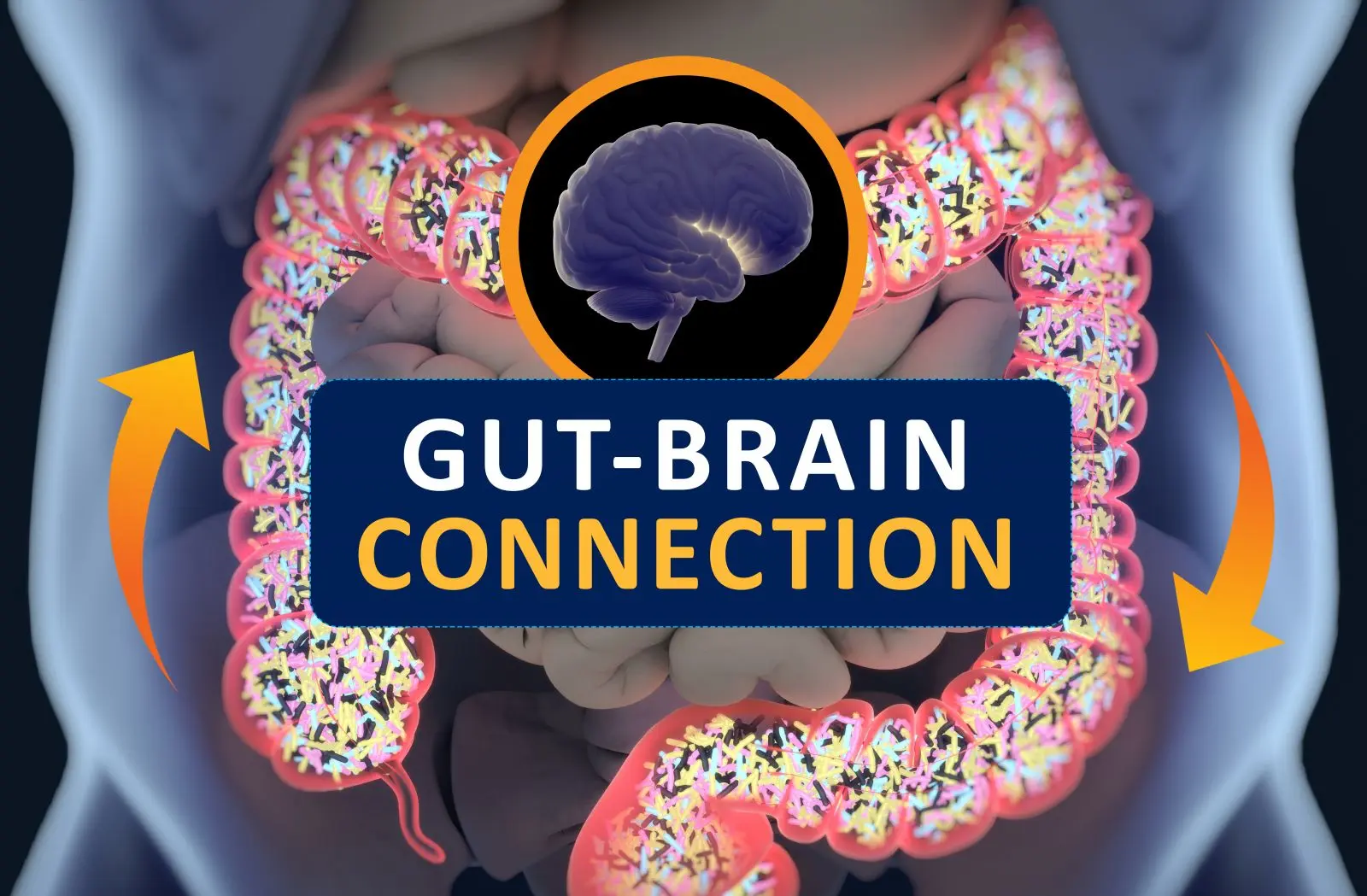
Symptom tracking and pattern recognition: Detailed symptom journals and tracking tools can reveal patterns that help pinpoint underlying mechanisms without extensive testing. For instance, noting that digestive symptoms worsen with stress points toward the gut-brain connection as a priority area to address.
Shared decision-making: When patients and providers discuss the potential benefits, risks, and costs of testing openly, decisions tend to align better with patient values and clinical necessity. This collaborative approach often leads to more judicious use of diagnostics.
As a patient, you play a crucial role in ensuring that the tests you undergo are truly necessary and beneficial. Developing the skills to navigate testing decisions empowers you to advocate for appropriate care while avoiding excessive diagnostics.
When your healthcare provider suggests a test, consider asking these key questions:
“How will the results of this test change my treatment plan?” If the answer is unclear or suggests that treatment would proceed the same regardless of results, the test may not be necessary.
“What is the accuracy of this test?” Understanding the false positive and false negative rates helps you interpret results appropriately. Some specialized functional medicine tests may lack validation compared to standard diagnostics.
“Are there any risks or side effects I should be aware of?” This includes not just procedural risks but also the potential psychological impact and financial costs.
“Is there a less invasive alternative that could provide similar information?” Sometimes lifestyle modifications or symptom tracking can yield insights without formal testing.
“What happens if we wait and watch rather than test right now?” For non-urgent symptoms, a period of observation while implementing basic health strategies may be appropriate.
Developing a personalized approach to testing can help you navigate the healthcare system more effectively:
Know your family history and personal risk factors: This helps you and your provider determine which screening tests are truly important for you and which might be unnecessary.
Maintain a complete health record: Keep track of all tests you’ve undergone, along with results and dates. This prevents duplicate testing and provides context for future health decisions.
Consider the timing of testing: For chronic or functional conditions, spacing out tests allows time to implement interventions and observe their effects before proceeding to more intensive diagnostics.
Align testing with your priorities: If certain symptoms impact your quality of life significantly, focusing diagnostic efforts there first may make more sense than pursuing comprehensive testing across multiple body systems simultaneously.
Seek second opinions for major interventions: Before undergoing invasive procedures recommended based on test results, getting another perspective can help ensure the approach is appropriate.
By taking an active role in testing decisions, you become a true partner in your healthcare rather than a passive recipient of services. This partnership leads to more personalized, appropriate care that respects both the value of diagnostic information and the potential downsides of excessive testing.
The current culture of excessive testing didn’t develop overnight, and shifting toward more balanced, evidence-based approaches requires changes at multiple levels. Encouraging signs of transformation are emerging in both conventional and integrative healthcare settings.
Several important initiatives are helping transform testing practices:
The Choosing Wisely campaign has identified hundreds of commonly overused tests and procedures across medical specialties, providing evidence-based recommendations to reduce unnecessary care. This initiative has already influenced testing patterns in many healthcare systems.
Value-based care models are shifting reimbursement away from volume (more tests, more procedures) toward patient outcomes. This realignment of incentives encourages providers to focus on what truly improves health rather than ordering tests that don’t contribute to better results.
Shared decision-making tools are becoming more widely available, helping patients and providers make testing decisions together based on the best evidence combined with individual preferences and values.
In functional medicine specifically, there’s growing recognition that while appropriate testing can identify root causes, starting with fundamental lifestyle interventions and carefully selected tests often provides better outcomes than comprehensive testing panels for every patient.
As patients become more educated about the potential downsides of excessive testing, they can help drive positive change in several ways:
Ask thoughtful questions about proposed tests using the framework outlined earlier. When providers know their patients expect justification for diagnostic recommendations, practice patterns begin to shift.
Share your preferences about testing with your healthcare team. If you’re concerned about costs, radiation exposure, or the anxiety that might come with certain tests, expressing these concerns helps your rrovider tailor recommendations to your specific situation.
Provide feedback when you experience testing cascades or unnecessary diagnostics. This helps providers and healthcare systems recognize patterns that need attention.
The goal isn’t to eliminate testing but to find the sweet spot where diagnostics provide valuable information that guides effective care without creating unnecessary harms. This balanced approach recognizes both the power of appropriate testing and the wisdom of restraint.
Finding this balance requires considering several dimensions:
Clinical necessity: Does the test address a specific clinical question that will influence care decisions?
Patient context: How do the patient’s history, risk factors, and preferences influence testing decisions?
Evidence quality: Is there good evidence supporting the use of this test in this specific situation?
Potential benefits vs. harms: Do the likely benefits of the information gained outweigh potential physical, psychological, and financial costs?
Alternative approaches: Could the same clinical question be addressed through less invasive means?
When these considerations guide testing decisions, patients are more likely to receive diagnostics that truly contribute to their health while avoiding unnecessary procedures that drain resources and create potential harm.
The functional medicine approach at its best embodies this balanced perspectiveâusing targeted, thoughtful testing to identify root causes while recognizing that not every question requires a formal diagnostic test to answer. Sometimes, the most powerful insights come from careful observation, therapeutic trials, and the body’s own feedback systems rather than more technological approaches.
While appropriate testing certainly has its place in healthcare, true healing often involves much more than diagnostic results. The most profound health transformations I’ve witnessed have come when patients shift their focus from seeking perfect test results to embracing the broader journey of supporting their body’s innate healing capacity.
This journey includes understanding the connections between body systems, recognizing how emotional and spiritual factors influence physical health, and learning to listen to the body’s signals with compassion and curiosity. It means viewing test results as just one source of information within a much richer context of lived experience and embodied wisdom.
For many patients with digestive issues, the path toward wellness includes not just identifying specific imbalances through testing but also rebuilding trust with their bodies, reducing stress, improving sleep quality, finding joy in nourishing foods, and cultivating supportive relationships. These elements of healing rarely show up on diagnostic tests yet prove fundamental to lasting wellness.
As you navigate your own health journey, remember that while appropriate testing can provide valuable guidance, your experiences, observations, and intuitions about your body also offer essential wisdom. By integrating these different ways of knowing, you can find the path that truly supports your unique healing processâa path that values diagnostic information when helpful but never loses sight of the broader landscape of what creates and sustains health.
Disclaimer: This article is for informational purposes only and is not intended to replace professional medical advice. Always consult with a qualified healthcare provider before making decisions about medical testing or treatment options.
Let us help. CALL NOW