


Your gut is more than just a digestive systemâit’s a complex ecosystem that influences everything from your immune function to your mental health. The foods you eat directly shape this internal environment, yet many of us remain confused about which dietary approaches actually support optimal gut health.
Science has revealed that specific dietary patterns can dramatically transform your gut microbiome and reduce inflammation. Whether you’re struggling with digestive discomfort or simply want to enhance your overall well-being, understanding these evidence-backed approaches is your first step toward meaningful improvement.
In this guide, we’ll explore five scientifically-validated diets for gut health, breaking down exactly what to eat, why these approaches work, and how to adapt them to your unique needs. From fermented foods that supercharge beneficial bacteria to the surprising benefits of cooked foods for sensitive digestive systems, these strategies offer practical solutions for nurturing your gut ecosystem. Remember when selecting the right diet, it is never one size fits all with the same diagnosis. All individuals are different and have different needs. These dietary needs can also change for the same person as he progresses through life and health journey. With every diet, clean foods always apply. Some convenient processed foods may be deemed acceptable with certain diets which are not beneficial for most people.
The Mediterranean diet has consistently demonstrated profound benefits for gut health through numerous clinical studies. This dietary pattern, traditional to countries bordering the Mediterranean Sea, emphasizes a diverse array of plant foods, healthy fats, and moderate protein consumption that collectively nurture the gut microbiome. Research published in the journal Gut shows that adherence to the Mediterranean diet increases beneficial bacteria associated with lower inflammation and improved metabolic health.
What makes this approach particularly effective is its balanced approach to both raw and cooked foods. While many gut protocols emphasize raw vegetables exclusively, gentle cooking can actually enhance nutrient bioavailability and make them more digestible for sensitive systems. For example, lightly cooked tomatoes release more lycopene, a powerful antioxidant that helps reduce gut inflammation. Similarly, cooked leafy greens become easier to digest while retaining their fiber contentâmaking them ideal for individuals recovering from gut issues.
I’ve found that patients who introduce even 30+ plant varieties per week (sounds like a lot, but includes herbs and spices!) exhibit significantly greater microbial diversity. And this diversity is strongly associated with reduced inflammation markers and better digestive resilience. The beauty of the Mediterranean approach is its flexibilityâyou don’t have to follow it perfectly to see benefits.
The Specific Carbohydrate Diet represents a more targeted approach to gut healing, particularly valuable for those with conditions like small intestinal bacterial overgrowth (SIBO), Crohn’s disease, or ulcerative colitis. By eliminating specific carbohydrates that can feed harmful bacteria, the SCD helps reestablish microbiome balance.
What’s fascinating about this approach is how it works with your body’s digestive capabilities during different healing phases. When the gut is inflamed or compromised, even “healthy” foods can become problematic if they’re difficult to break down or feed the wrong bacteria. The SCD addresses this by starting with easily digestible, properly prepared foods and then gradually expanding options as healing progresses.
Many of my patients report significant symptom relief within just a few weeks of SCD adherence. What’s particularly encouraging is how this approach doesn’t just manage symptomsâit actually supports the healing process by removing irritants while providing the nutrients needed for gut repair.
The Low-FODMAP diet has become one of the most evidence-supported therapeutic strategies for individuals suffering from IBS and digestive sensitivities. It works by temporarily eliminating fermentable carbohydrates that trigger symptoms like gas, bloating, and discomfort, followed by a controlled reintroduction phase to identify specific triggers.
This isn’t a forever dietâand that’s an important distinction. The goal isn’t elimination but identification. Many people make the mistake of staying in the elimination phase indefinitely, which can actually reduce microbiome diversity over time. The reintroduction phase is where the real learning happens.
I’ve guided numerous patients through this process, and what’s remarkable is how individualized the results are. One person might react strongly to fructans but tolerate polyols perfectly well, while another experiences the exact opposite pattern. This reinforces why cookie-cutter approaches to gut health often fall shortâyour digestive system is uniquely yours.
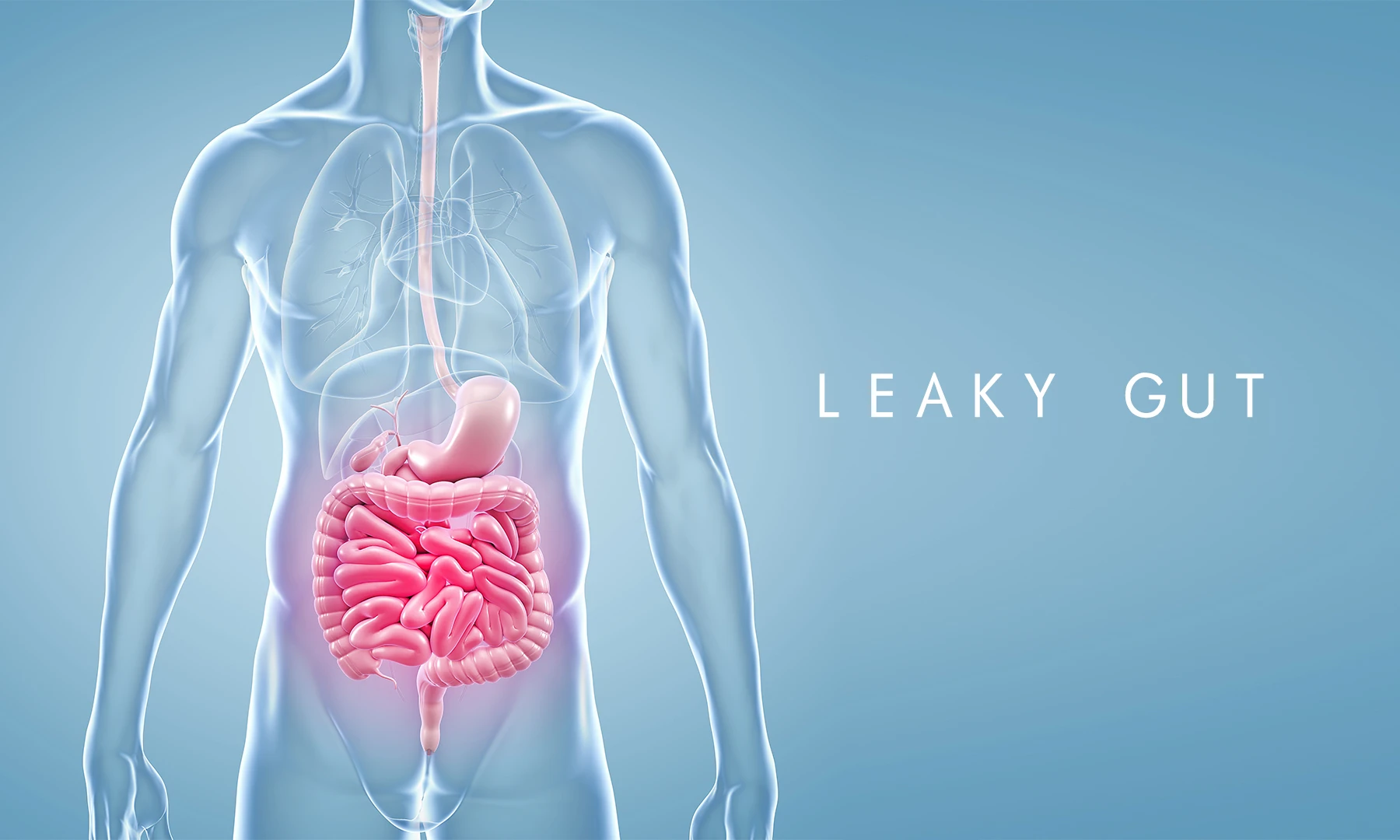
Designed specifically to heal intestinal permeability (often called “leaky gut”), the Anti-Inflammatory Diet combines gut-healing foods with the elimination of known inflammatory triggers. This approach particularly emphasizes the connection between inflammation and gut barrier functionâwhen we reduce systemic inflammation, the gut lining can focus its energy on repair and regeneration.
The cooking methods in this approach deserve special attention. When dealing with an inflamed gut, how you prepare food matters almost as much as what you eat. Gentle cooking methods like steaming, poaching, and pressure cooking can significantly reduce digestive stress while maintaining nutrient density.
What’s particularly encouraging about this approach is the relatively quick timeline for improvement. Many people notice reduced bloating and digestive discomfort within just a few weeks, though deeper healing of the gut barrier typically takes several months of consistent implementation.
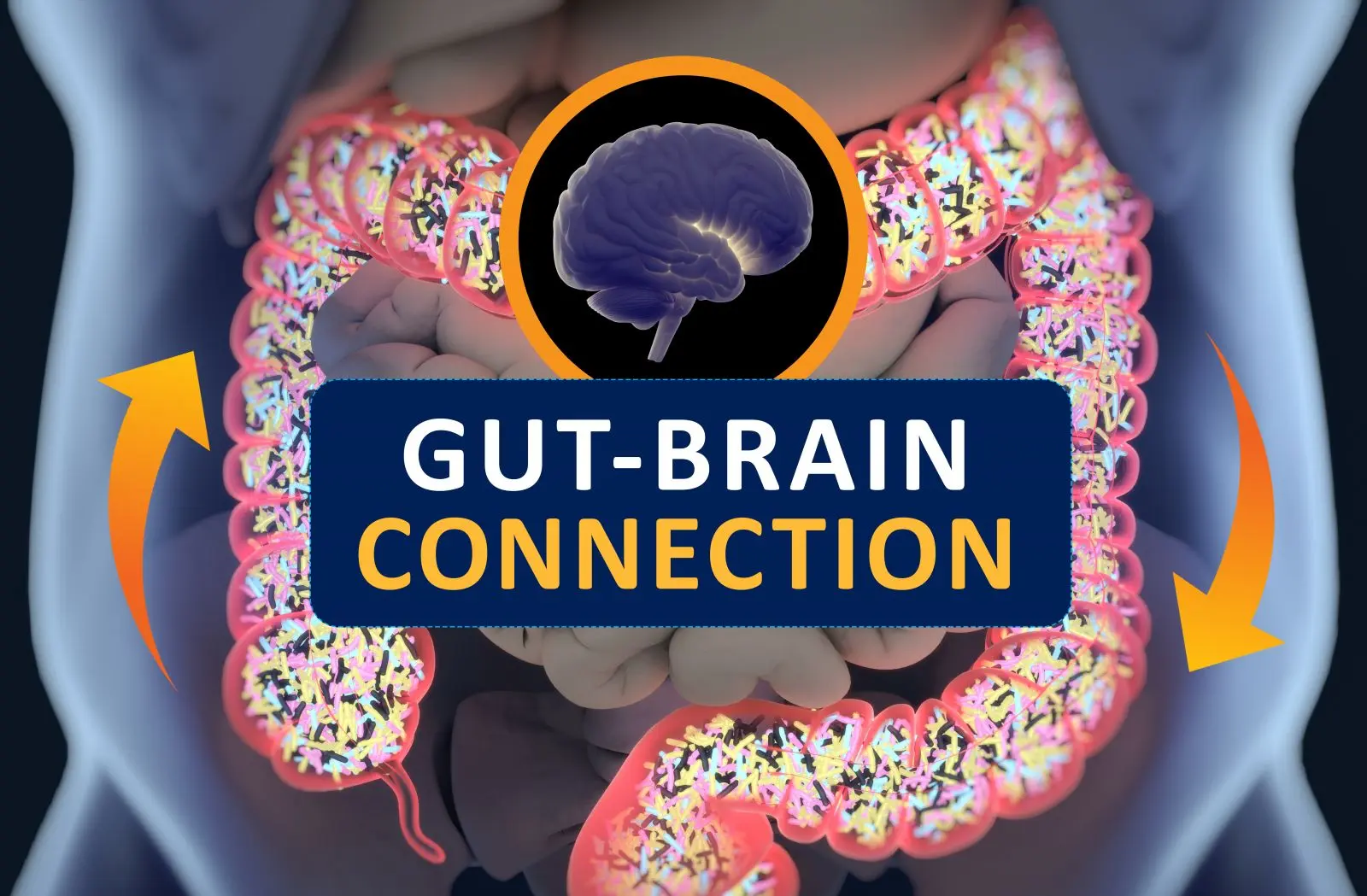
The Gut-Brain Connection Diet focuses on optimizing the bidirectional communication between your digestive system and central nervous system. This approach recognizes something I see daily in my practiceâthat psychological stress directly impacts digestive function, and digestive distress significantly affects mood and cognition.
What makes this approach unique is its dual focus on both physical and mental aspects of eating. It’s not just about what you eat, but how you eat. The parasympathetic nervous system (your “rest and digest” mode) needs to be activated for optimal digestion, which is why mindful eating practices are integrated into this approach.
I’ve seen remarkable improvements in patients who implement even simple aspects of this approach. One particularly powerful practice is taking three deep breaths before meals to activate the parasympathetic nervous system. This simple habit can noticeably reduce post-meal bloating and discomfort for many people with sensitive digestive systems.
Your gut health influences far more than just digestionâit shapes your immune resilience, energy levels, and emotional well-being. Each of these five science-backed approaches offers a different pathway to microbiome balance and gut healing, addressing different root causes and needs.
Remember that healing isn’t linear, and finding your optimal gut health strategy often involves some experimentation. The body has remarkable healing capacity when given the right support, but that support needs to be tailored to your unique circumstances.
The most successful approach is one you can actually maintain, that addresses your specific digestive challenges, and that you can adapt as your body changes and heals. Listen to your body’s feedbackâit’s constantly communicating what it needs.
Disclaimer: This article is for informational purposes only and does not constitute medical advice. Please consult with a healthcare provider before making significant dietary changes, especially if you have existing health conditions.
Let us help. CALL NOW