


Gut healing supplements provide a holistic approach to enhancing digestive health, but understanding their specific roles, benefits, and safe usage is crucial. In the sections to follow, we’ll dive deeper into how these supplements work and how to incorporate them into your wellness routine effectively.
Your digestive system houses an astonishing ecosystem of over 100 trillion microorganismsâmore than ten times the number of cells in your entire body. This internal community directly influences not just digestion, but also immune function, brain health, hormone balance, and even your emotional well-being. When gut health deteriorates, the effects ripple throughout your entire body, potentially manifesting as chronic inflammation, nutrient deficiencies, fatigue, and a host of seemingly unrelated symptoms.
I’ve seen countless patients who’ve tried addressing individual symptoms without realizing that their gut health was the common denominator underlying many of their concerns. Targeted supplementation offers a powerful approach to restoring gut integrity and function, but it’s important to understand that not all supplements are created equalâand what works wonderfully for one person might not be right for another.
In this comprehensive guide, I’ll walk you through the most effective gut healing supplements, explaining how they work, who might benefit most from them, and how to incorporate them wisely into your healing journey. Let’s explore how these natural compounds can help restore balance to your digestive system and support your body’s innate healing capacity.
The gut microbiomeâthat community of trillions of microorganisms residing primarily in your large intestineâfunctions essentially as an organ in its own right, weighing about 2-5 pounds and containing over 1,000 different species of bacteria, fungi, viruses, and other microbes. What’s particularly fascinating is that these microorganisms collectively possess approximately 150 times more genes than the human genome itself, giving them remarkable influence over your health.
Think of your microbiome as an internal garden that requires the right balance of beneficial organisms to thrive. Just as a garden needs diversity to remain resilient against pests and disease, your gut requires a rich variety of beneficial microbes to maintain optimal function. When this diversity diminishesâwhich can happen due to factors like antibiotic use, chronic stress, processed food consumption, or environmental toxinsâthe ecosystem becomes vulnerable to opportunistic organisms that can disrupt digestive function and trigger inflammation.
The implications extend far beyond digestion. Your gut microbes produce vital compounds including short-chain fatty acids that nourish your intestinal cells, neurotransmitters that influence your mood, and immune signaling molecules that help regulate inflammation throughout your body. They also help extract and synthesize nutrients from your food, break down potential toxins, and maintain the integrity of your intestinal liningâthat crucial barrier that determines what enters your bloodstream and what doesn’t.
In my practice, I’ve observed that virtually every chronic health condition involves some degree of gut dysfunction. This is why restoring microbiome balance often creates improvements that extend far beyond digestive symptomsâfrom clearer thinking and more stable energy to improved skin health and stronger immunity. Understanding this interconnection helps explain why targeted gut-supporting supplements can have such wide-ranging benefits for overall health.
While digestive discomfort certainly signals potential gut issues, many people don’t realize that symptoms appearing elsewhere in the body can also indicate gut dysfunction. Here are some less obvious signs that your gut might need support:
Persistent fatigue and energy fluctuations often stem from gut imbalances that affect nutrient absorption and trigger low-grade inflammation. I’ve worked with many patients who struggled with unexplained exhaustion for years before discovering that gut dysbiosis was depleting their energy reserves. When we restored their gut health, their energy naturally rebounded.
Skin conditions like eczema, psoriasis, acne, or unexplained rashes frequently reflect internal gut inflammation. The gut-skin axis is well-established in research, and I’ve repeatedly observed skin clearing when we address underlying gut issues. One patient with stubborn adult acne saw her skin transform within weeks of implementing a gut healing protocolâafter years of trying topical treatments with minimal success.
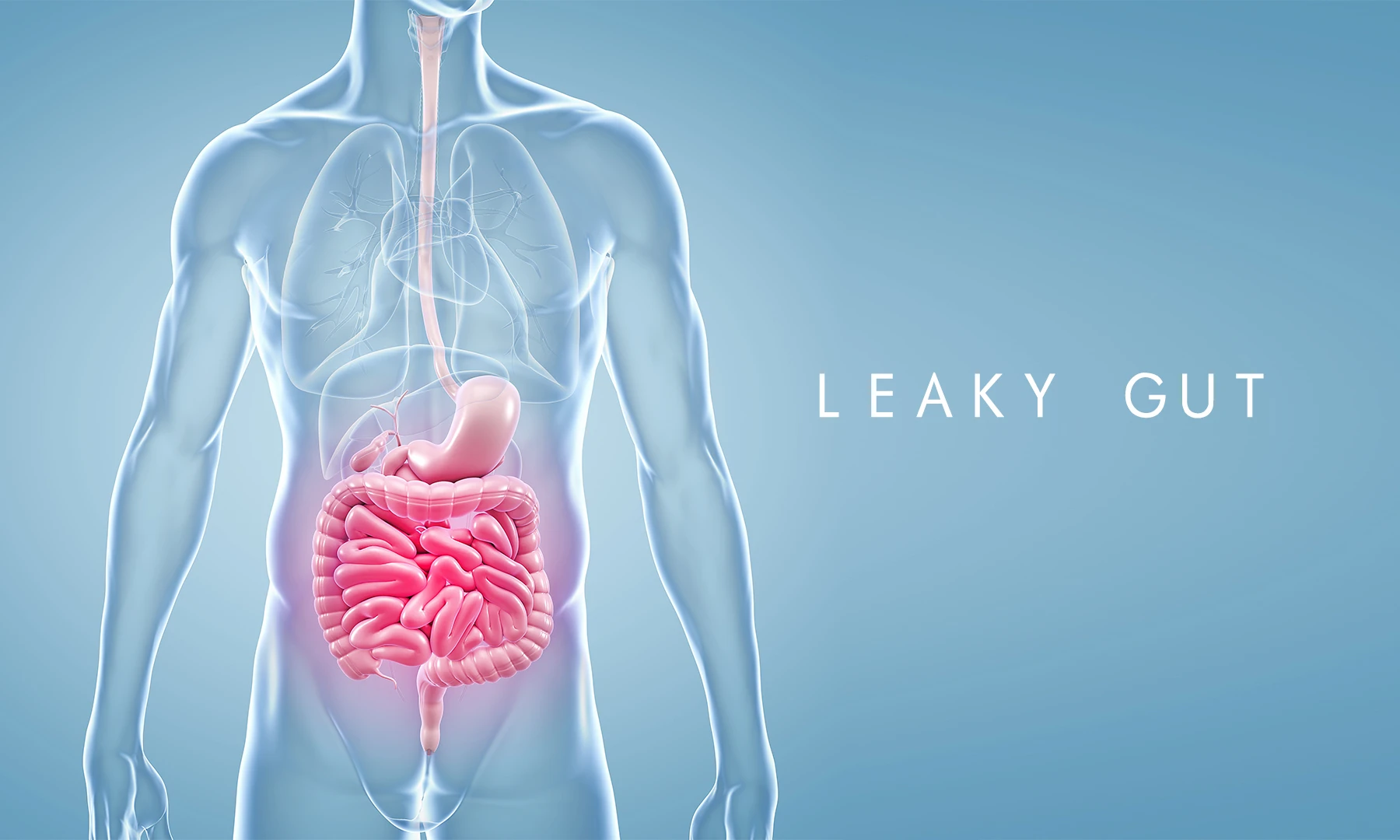
Joint pain and unexplained inflammatory responses throughout the body can originate from a compromised gut barrier. When partially digested food particles leak through the intestinal lining (a condition called intestinal permeability or “leaky gut”), they can trigger immune reactions that manifest as inflammation in joints, muscles, and other tissues.
Frequent infections or compromised immunity often reflect poor gut health, since approximately 70-80% of your immune tissue resides within your gastrointestinal system. Your gut microbiome trains your immune system to distinguish between harmful pathogens and harmless substances. When this training goes awry due to dysbiosis, you become more vulnerable to infections and potentially more prone to inappropriate immune responses.
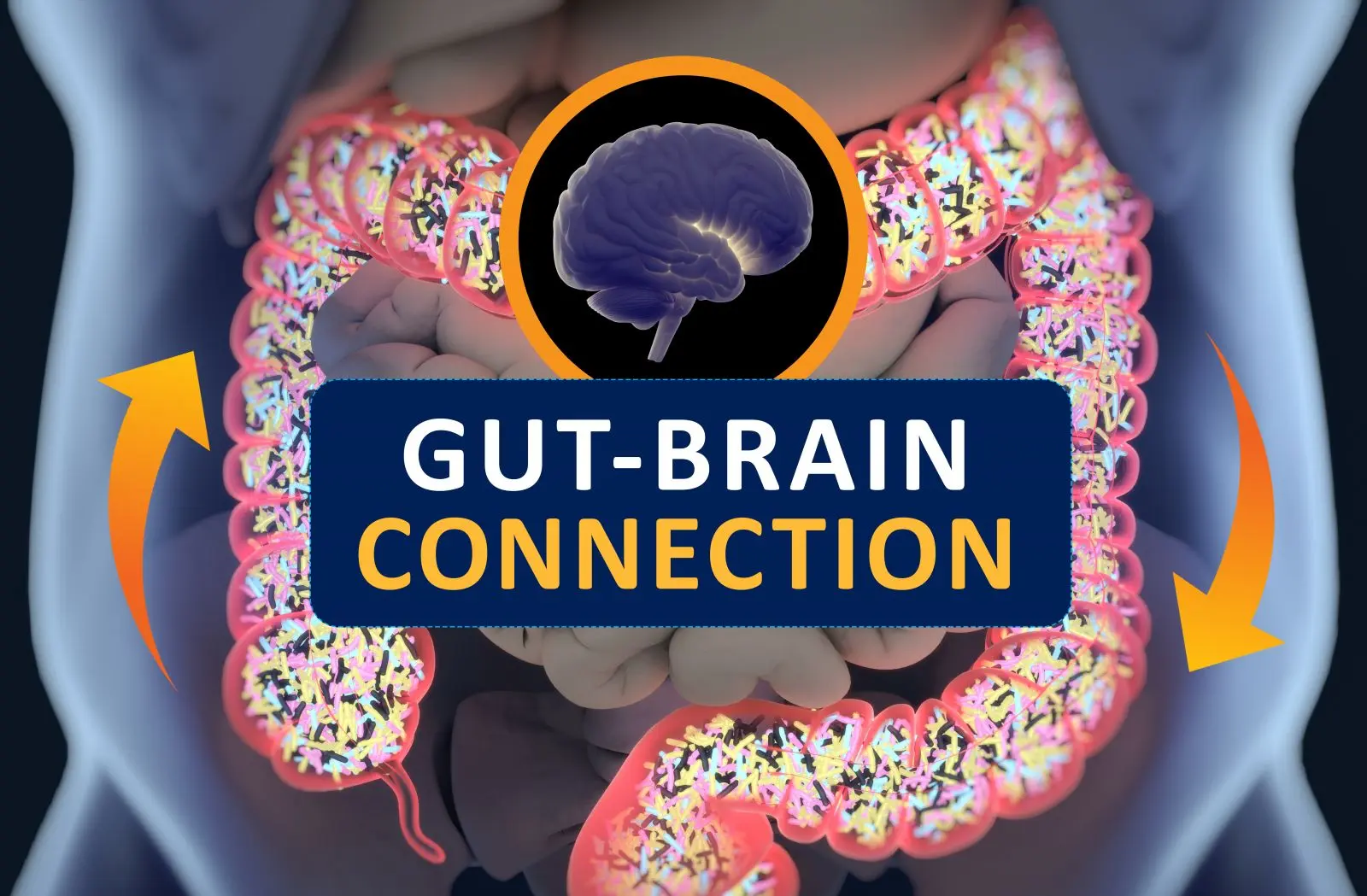
Mood fluctuations, anxiety, and brain fog can be directly connected to gut health through the gut-brain axis. Your gut produces over 90% of your body’s serotonin (a neurotransmitter associated with mood regulation), and the vagus nerve provides a direct communication highway between your gut and brain. This connection explains why digestive distress so often coincides with mental-emotional symptoms.
Of course, digestive symptoms themselves provide the most direct indications that your gut needs support:
Bloating, gas, and abdominal discomfort after meals suggest possible enzyme insufficiency, small intestinal bacterial overgrowth (SIBO), or food sensitivities. If your abdomen regularly expands throughout the day or certain foods predictably cause discomfort, your digestive system is sending clear signals that it needs help.
Irregular bowel movementsâwhether constipation, diarrhea, or alternating between bothâindicate disruptions in gut motility, insufficient beneficial bacteria, or inflammation affecting your intestinal nervous system. Ideally, bowel movements should be easy, regular, and complete, leaving a sense of emptiness afterward. Anything less suggests room for improvement in gut function.
Food sensitivities and intolerances often develop secondary to increased intestinal permeability. When your gut lining becomes more permeable than optimal, partially digested food particles can enter your bloodstream, triggering immune responses that manifest as food reactions. Many people find that addressing their gut health allows them to eventually reintroduce foods that previously caused problems.
Acid reflux and heartburn, particularly when chronic or recurring, may indicate dysbiosis in the upper digestive tract, insufficient digestive enzyme production, or other functional digestive issues. While conventional treatments focus on reducing acid, a functional approach looks for the root cause of why acid is in the wrong place.
If you’re experiencing several of these signs, your body is likely calling for gut-focused support. The good news is that targeted supplementation, combined with appropriate dietary and lifestyle modifications, can often create significant improvements in these symptoms by addressing their root causes rather than merely masking them.
Probiotics represent one of the most direct ways to influence your gut ecosystem, but understanding how they work helps explain why not all probiotic supplements deliver the same results. These beneficial microorganisms operate through several sophisticated mechanisms to restore and maintain gut health:
First, they engage in a form of territorial competition with potential pathogens, physically occupying space along your intestinal wall that might otherwise host harmful microbes. Think of it as beneficial bacteria claiming valuable real estate before problematic organisms can establish residence.
Beyond simply taking up space, probiotics actively create an environment that discourages pathogen growth. They produce natural antimicrobial compounds including organic acids, hydrogen peroxide, and bacteriocinsâessentially functioning as your gut’s own antibiotic production system, but without the collateral damage to beneficial bacteria that pharmaceutical antibiotics can cause.
What I find particularly fascinating is how probiotics strengthen your intestinal barrier function. Specific strains actually stimulate the production of tight junction proteinsâthose critical structures that seal the spaces between intestinal cells and prevent leaky gut. They also enhance mucin production, strengthening the protective mucus layer that lines your intestinal wall and serves as your first line of defense against irritants and pathogens.
Perhaps most importantly, probiotics engage in a complex dialogue with your immune system. About 70% of your immune tissue resides in your gut, and probiotics help train these immune cells to respond appropriatelyâreacting strongly to genuine threats while maintaining tolerance to harmless substances like food proteins. This immune-modulating capacity explains why probiotic benefits often extend far beyond digestive function.
Navigating the overwhelming array of probiotic options requires understanding some key principles:
Strain specificity matters enormously. Different probiotic strains offer different benefits, and selecting the right strains for your specific concerns significantly impacts results. For example:
Diversity and colony-forming units (CFUs) both influence effectiveness. For general gut support, multi-strain formulas often provide more comprehensive benefits than single-strain products. The number of CFUs (essentially the count of viable organisms) matters too, though more isn’t always better. For general maintenance, 10-30 billion CFUs typically suffices, while addressing specific conditions might require higher potencies.
Quality and viability determine whether those beneficial organisms actually reach your intestines alive. Look for products with demonstrated shelf stability, delayed-release capsules that protect against stomach acid, or refrigerated formulations that maintain organism viability. Some advanced formulations now include prebiotic fibers that nourish the probiotics as they make their transit through your digestive system.
Timing and consistency influence outcomes. For most people, taking probiotics away from antibiotics (if you’re on them) and consistently over time yields better results than occasional use. Some individuals find that taking probiotics with meals reduces the potential for temporary digestive adjustment symptoms like gas or bloating.
In my practice, I often recommend starting with a moderate dose of a high-quality, multi-strain probiotic and gradually increasing if needed. I also suggest rotating probiotic strains periodically to introduce greater microbial diversity, much like rotating crops in a garden to maintain soil health. The goal isn’t necessarily lifelong supplementation but rather using probiotics strategically to restore balance while simultaneously creating the dietary and lifestyle conditions that support a thriving microbiome naturally.
While probiotics introduce beneficial microorganisms directly, prebiotics feed the helpful bacteria already residing in your gut. These non-digestible food componentsâprimarily certain types of fiberâpass through your upper digestive tract unchanged, then become fermented by beneficial bacteria in your large intestine. This fermentation process produces short-chain fatty acids (SCFAs) like butyrate, which serve as the primary energy source for your colon cells and offer powerful anti-inflammatory benefits.
Think of prebiotics as fertilizer for your internal gardenâthey create ideal conditions for beneficial bacteria to thrive and multiply. Research shows that prebiotic supplementation can significantly increase populations of beneficial Bifidobacteria and Lactobacilli while reducing potentially harmful bacteria like Clostridia.
Common prebiotic supplements include:
I find that many patients actually respond better to prebiotics than probiotics, particularly those who’ve tried various probiotic supplements without noticeable benefit. This makes sense when you consider that prebiotics work by enhancing your existing microbial community rather than attempting to introduce new strains that may or may not successfully colonize.
The key with prebiotics is to start slowly. Because these compounds feed bacteria that produce gas as a byproduct of fermentation, beginning with a full dose can trigger uncomfortable bloating or flatulence. I typically recommend starting with about ¼ of the suggested dose and gradually increasing over several weeks as your gut adapts. This gradual approach allows your microbiome to adjust and often prevents the temporary discomfort that leads some people to abandon potentially beneficial prebiotic supplementation.
For many individuals, combining prebiotics with probiotics (a strategy called synbiotic therapy) provides more comprehensive benefits than either approach alone. The prebiotics essentially serve as fuel for both the supplemented probiotic strains and your native beneficial bacteria, creating a more hospitable environment for microbial diversity to flourish.
Digestive enzymes function as biological catalysts that break down food into absorbable nutrients, and insufficient enzyme production is one of the most common yet overlooked causes of digestive distress. Your body naturally produces various enzymes throughout your digestive tractâamylases for carbohydrates, proteases for proteins, lipases for fats, and more specialized enzymes for specific nutrients.
However, numerous factors can compromise enzyme production, including aging, chronic stress, certain medications, pancreatic insufficiency, and inflammatory gut conditions. When enzyme levels fall short, you may experience symptoms like:
In these situations, supplemental digestive enzymes can make a remarkable difference in how you feel after eating. I’ve seen patients experience almost immediate relief from post-meal discomfort when they begin appropriate enzyme supplementationâtheir bodies finally receive the help they need to break down food efficiently.
When selecting a digestive enzyme supplement, consider these factors:
Comprehensive formulations generally work best for most people, containing a mix of amylase, protease, lipase, lactase, cellulase, and sometimes additional specialized enzymes. This ensures you have support for breaking down all macronutrients.
Activity units rather than weight measurements determine potency. Look for products that specify enzyme activity (such as DU for protease or FIP for lipase) rather than just listing milligrams.
Timing matters significantly. Taking enzymes 5-10 minutes before meals or right at the beginning of a meal optimizes their effectiveness. For some individuals with severe digestive challenges, taking additional enzymes midway through larger meals provides further support.
Special considerations include whether you need specific enzyme support for particular foods. For example, someone with lactose intolerance might benefit from a lactase supplement taken specifically with dairy-containing meals, while others might need alpha-galactosidase enzymes to help break down beans and certain vegetables.
While digestive enzymes provide valuable symptomatic relief, they don’t address the root cause of enzyme insufficiency. In my practice, I view them as an important support tool while we simultaneously work on healing the digestive system and restoring natural enzyme production. Factors like chronic stress, zinc deficiency, and low-grade inflammation can all compromise your body’s enzyme output, so addressing these underlying issues creates more sustainable improvement.
Certain vitamins and minerals play particularly crucial roles in maintaining and repairing your intestinal liningâthat critical barrier that determines what enters your bloodstream and what stays contained within your digestive tract. When this lining becomes compromised (often called “leaky gut” or intestinal permeability), it can trigger systemic inflammation and a cascade of symptoms throughout your body.
These key nutrients support gut barrier integrity:
When recommending these nutrients, I typically suggest food-based sources wherever possible, supplemented strategically based on individual needs. Laboratory testing can help identify specific deficiencies, though clinical symptoms also provide valuable guidance. The goal is to provide optimal nutritional support for your body’s natural gut healing mechanisms rather than indefinite supplementation.
Traditional healing systems worldwide have used specific herbs to soothe and heal the digestive tract for centuries, and modern research increasingly validates these traditional applications. These botanical medicines offer multifaceted benefits, often combining anti-inflammatory, antimicrobial, and tissue-repairing properties.
When incorporating herbal supplements, I suggest starting with single herbs rather than complex formulations, allowing you to identify which specific botanicals benefit you most. Quality matters tremendously with herbal products, so look for reputable manufacturers who test for both potency and purity. Many herbs can be used both as supplements and incorporated into your diet as teas or culinary additions, providing flexibility in how you receive their benefits.
Increased intestinal permeabilityâcommonly called “leaky gut”âoccurs when the tight junctions between intestinal cells become compromised, allowing partially digested food particles, bacterial components, and environmental toxins to pass into your bloodstream where they don’t belong. This condition can trigger systemic inflammation and is associated with numerous health challenges ranging from food sensitivities to autoimmune conditions.
In my clinical experience, combining several of these targeted supplements often provides more comprehensive support than any single intervention alone. I typically recommend starting with L-glutamine and one or two additional supplements based on individual symptoms and health history, then adjusting based on response. As with all supplements, quality matters tremendouslyâlook for products from reputable manufacturers who can verify their purity and potency through independent testing.
Creating an effective gut healing protocol requires thoughtful planning and personalized adjustments rather than simply taking everything mentioned in this article. Here’s a structured approach to implementing gut-supporting supplements wisely:
Before adding multiple supplements, ensure these fundamentals are in place:
Once these foundations are established, consider this phased approach to supplementation:
Begin with supplements that help break down food properly and reduce the immediate burden on your digestive system:
Once digestion is better supported, address microbial balance:
With improved digestion and microbial balance, focus on healing the intestinal barrier:
As symptoms improve, gradually transition to a maintenance approach:
Throughout this process, keeping a simple journal tracking your symptoms, supplements taken, and foods eaten can provide invaluable insights about what’s helping and what might be triggering issues. This information allows for personalized refinements to your protocol.
While many gut-supporting supplements are generally safe for self-directed use, certain situations warrant professional guidance:
An integrative gastroenterologist can provide guidance, appropriate testing, and a targeted protocol based on your specific needs rather than a one-size-fits-all approach. They can also help monitor your progress and make necessary adjustments to your protocol as your gut health improves.
While supplements offer valuable support for gut healing, sustainable digestive wellness ultimately comes from creating the conditions that allow your digestive system to thrive naturally. As your gut health improves through targeted supplementation, gradually shift your focus toward these long-term supportive practices:
Remember that gut healing isn’t linearâmost people experience ups and downs along the way. View these fluctuations as valuable information rather than failures, using them to refine your approach and deepen your understanding of what your unique body needs. The goal isn’t perfection but rather creating a resilient digestive system that can adapt to life’s inevitable stresses and challenges while maintaining fundamental balance and function.
By combining targeted supplementation with these foundational practices, you can support not just symptom improvement but true healing of your digestive systemâcreating benefits that extend to every aspect of your health and well-being.
Disclaimer: This article is for educational purposes only and does not constitute medical advice. Always consult with a qualified healthcare provider before beginning any supplement protocol, particularly if you have existing health conditions or take medications that might interact with supplements.
Let us help. CALL NOW