


Our mindset plays a powerful role in our ability to heal, yet hidden mental barriers often go unnoticed, blocking progress on our personal healing journeys. Below are key takeaways to help identify these mindset traps and actionable strategies to overcome them.
By identifying and addressing these hidden mindset traps, you can take the first steps toward a healthier, more empowered healing journey. As you read on, we’ll explore deeper insights into these traps and provide practical exercises to guide you forward.
You’ve tried everythingâthe supplements, the diets, the new exercise routinesâyet something still feels stuck in your healing journey. What if the biggest obstacles aren’t in your protocol but in your mind?
Your mindset shapes your healing more powerfully than most realize. Those persistent thoughts running in the background of your consciousness can either propel your progress forward or keep you trapped in cycles of frustration. These mental barriers often operate below your awareness, silently sabotaging your best efforts to feel better.
From scarcity thinking that convinces you there’s never enough time or energy to heal, to the all-or-nothing mentality that dismisses small improvements, these mindset traps create invisible resistance. By identifying these patterns and understanding how they manifest in your daily choices, you can finally remove the mental roadblocks standing between you and the progress you deserve.
The connection between our minds and bodies runs far deeper than most conventional approaches acknowledge. Two patients with identical lab results and similar symptoms can experience completely different outcomes based largely on their mindset about healing.
Research in psychoneuroimmunology shows that our thoughts and beliefs directly influence our physical wellbeing through complex pathways involving our nervous, endocrine, and immune systems. When we’re caught in negative thought patterns, our bodies release stress hormones that suppress immune function, increase inflammation, and delay tissue repairâall critical processes for healing gut issues and other health challenges.
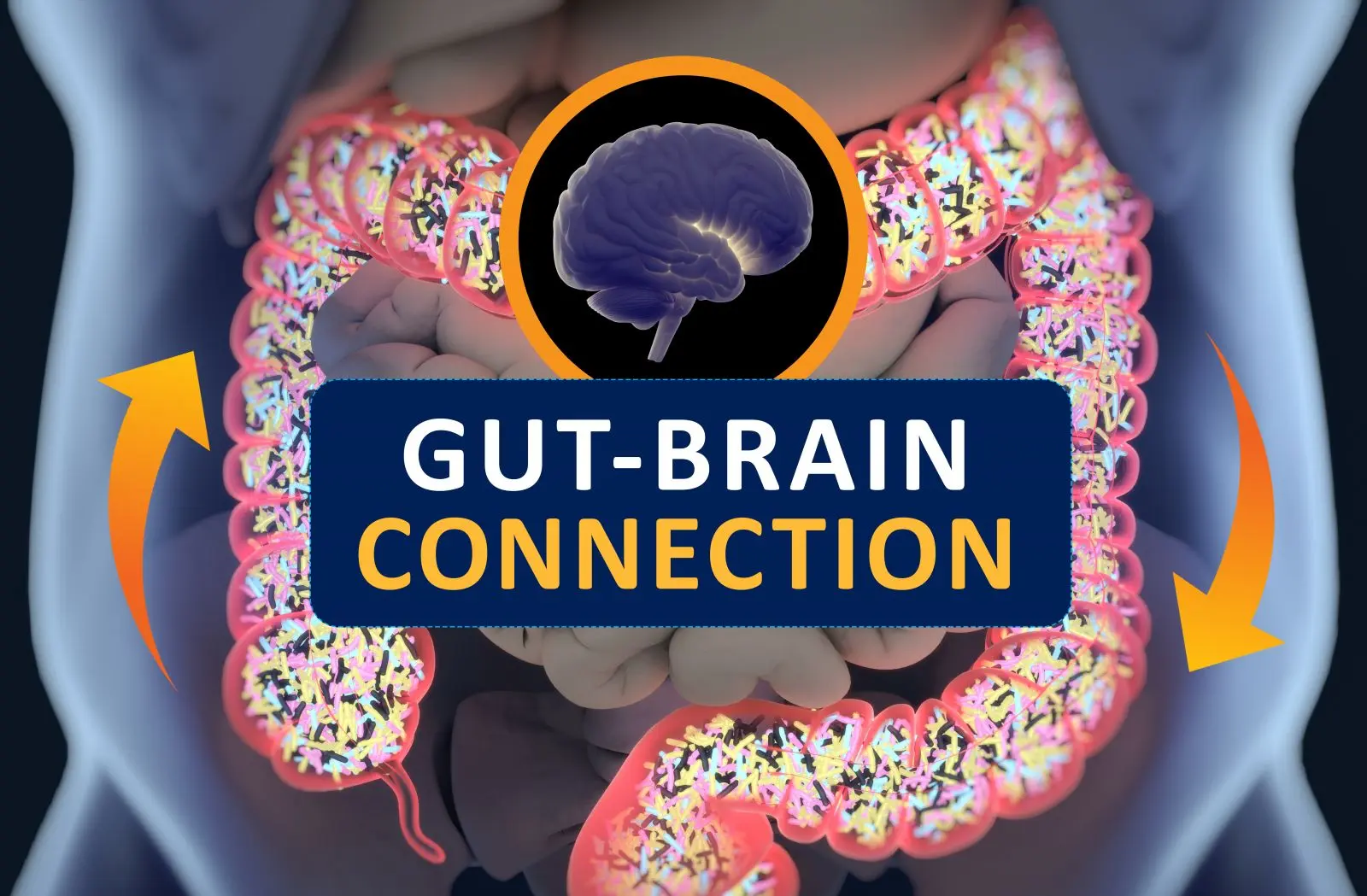
What’s fascinating is how this manifests physiologically. Stress-induced cortisol can disrupt the delicate balance of your gut microbiome, damage the intestinal lining, and trigger inflammatory cascades throughout your body. Conversely, when you cultivate more positive, possibility-focused thoughts, your body produces healing neurochemicals like endorphins and oxytocin that reduce pain and promote recovery.
This mind-body connection isn’t just theoreticalâit’s reflected in measurable health outcomes. Think about the well-documented placebo effect, where patients experience genuine physiological improvements simply because they believe they’re receiving effective treatment. Your brain’s interpretation of a healing intervention can stimulate real healing processes in your gut and throughout your body.
The challenge isn’t accepting this connection intellectuallyâit’s identifying and transforming the unconscious thought patterns that contradict your conscious healing intentions. These are what I call mindset trapsâsubconscious patterns of thinking that quietly sabotage your health goals despite your best efforts. Before any supplement, diet, or treatment can work optimally, your mind must be aligned with the possibility of healing.
“I’ve been following the protocol perfectly for two weeks, but I still had a symptom flare yesterday. Nothing is workingâÈ might as well give up.”
Does this sound familiar? The all-or-nothing trap appears when we perceive healing as an absolute stateâwe’re either completely healed or completely sick, with no acknowledgment of the spectrum between these extremes. This black-and-white thinking creates unrealistic expectations that set us up for discouragement.
A client managed inflammatory bowel symptoms for years. She experienced a month of significantly reduced inflammation and improved energy, but upon two days of increased discomfort, declared: “I’m right back where I started.” This mindset caused her to dismiss four weeks of real progress, creating an emotional roller coaster that intensified her symptoms.
This trap often shows up in how we approach healing protocols too. Many people adopt an extreme stance: following a new regimen perfectly or abandoning it entirely. When they inevitably fall short of perfectionâperhaps missing a supplement dose or eating an “off-plan” foodâthey conclude they’ve failed completely and give up altogether.
To recognize this trap in your own thinking, listen for absolute language in how you describe your healing journey. Words like “always,” “never,” “completely,” and “totally” often signal all-or-nothing perspectives. Notice when you discount partial improvements or use terms like “perfect” to describe your healing goals.
The truth is that healingâespecially gut healingâis rarely linear. It’s more like a spiral, where you revisit similar challenges with greater understanding each time. Those “setbacks” are actually valuable information, not evidence of failure. When you can view your healing as a gradual, unfolding process rather than a pass/fail test, you create space for the small, incremental improvements that eventually lead to significant change.
“Once I find the right doctor/supplement/diet, then I’ll get better.”
The external solution fixation occurs when we place our healing power entirely outside ourselves, believing that the perfect practitioner, supplement, diet, or treatment will single-handedly solve our health challenges. While external interventions are valuable and often necessary components of healing, this mindset trap leads to perpetual searching rather than developing an integrated approach that acknowledges your body’s innate healing capacity.
This mindset creates a passive relationship with healing, positioning you as a recipient of care rather than an active participant in your recovery. It can manifest as practitioner-hoppingâconstantly searching for someone who has “the answer”âor as a supplement drawer overflowing with barely-used bottles, each abandoned when it didn’t produce immediate, dramatic results.
In one case, a client spent over $15,000 on supplements and specialized testing before seeking help. When explored further, it became clear that she hadn’t implemented most recommendations consistently because she was always moving on to the “next thing” promising faster results. Her healing began when she shifted from searching for magic bullets to becoming the primary director of her healing journey, using external resources as tools rather than saviors.
This trap doesn’t mean you shouldn’t seek expert guidance or use high-quality supplementsâthese are important aspects of healing. The key distinction is whether you approach these resources as miraculous solutions or as supportive elements in a healing process that you actively guide and participate in.
Ask yourself: Do I believe my healing primarily comes from outside me or from within me? Am I constantly searching for the “perfect” solution rather than implementing what already supports my health? Your answers will reveal whether this mindset trap is influencing your healing journey.
“I am my illness.”
Perhaps the most subtle yet powerful mindset trap occurs when illness becomes fused with identity. After months or years of managing chronic symptoms, it’s natural for your condition to become a significant part of how you understand yourself and relate to others. You may have built relationships, support systems, and daily routines around managing your symptoms. Your knowledge about your condition might even serve as a source of expertise and purpose.
While this adaptation is understandable, it creates a complex psychological situation where getting better requires not just physical healing but also identity reconstruction. Subconsciously, this can feel threateningâwho will you be without your illness? How will your relationships change? What will fill the space that symptom management currently occupies?
Clients have sometimes made remarkable physical progress only to plateau or relapse as they neared wellness that required significant life changes. It can seem as though part of them resists stepping fully into a new, healthier identity because the familiarity of illness, despite its limitations, feels safer than the unknown of wellness.
This does not mean a conscious desire to remain ill; rather, our subconscious minds seek the stability and predictability of known patterns, even when they hinder us. To determine if this trap affects you, reflect on how your daily life would change if you were completely well, how your relationships might differ, and what aspects of your current identity would need to shift. Resistance or anxiety in answering these questions may indicate an identity fusion with your condition.
Moving beyond this trap involves consciously separating your sense of self-worth from your health status. You are not your symptoms or diagnosisâyou are a whole person with a life story that extends far beyond illness. Begin imagining and affirming your identity independent of your health challenges, focusing on your values, passions, and the essence of who you are.
Recognizing these mindset traps is the crucial first step, but how do you transform them? The practical approaches below have helped many shift from limiting to empowering mindsets:
The most powerful tool for changing any mental pattern is first becoming aware of it. Mindfulness practices help you observe your thoughts without immediately reacting, creating space for new choices. Even five minutes daily of quiet observation can reveal unnoticed patterns about your healing journey.
Try this practice: Set a timer for five minutes and simply notice any thoughts that arise about your health and healing journey. Do not judge or change themâjust observe with curiosity. Afterward, jot down any patterns you noticed, noting whether your thoughts were predominantly negative or positive, fixed or flexible, self-compassionate or self-critical. This awareness begins to loosen the grip of mindset traps.
Instead of viewing your healing journey as linearâeither moving forward or backwardâreframe it as a process of gathering information. Every symptom flare, good day, or reaction to a supplement provides valuable data about your unique body.
A practical approach is to keep a healing journal that tracks not just symptoms but also insights. Instead of writing “Terrible bloating today, nothing’s working,” you might record, “Increased bloating today occurred after rushing through lunch while answering emails. My body might need more calm during meals.” This shift transforms setbacks into useful information that guides your next steps.
Healing mindsets flourish in an environment of self-compassion rather than self-criticism. Many assume that self-criticism motivates improvement, but research shows that self-compassion predicts better health behaviors and outcomes.
When you catch yourself being overly critical of your healing progress, place a hand on your heart and say, “This is a difficult moment. Many people struggle with this challenge. May I be kind to myself right now.” This simple act activates your parasympathetic nervous systemâthe state in which healing occurs most effectively.
Research indicates that those who feel connected to their future selves make better decisions in the present. Spend a few minutes visualizing yourself one year from now, having made significant progress in your healing journey. Consider how this future self moves, what habits they have developed, and how they speak to themselves during challenges.
Write a letter from your future self to your current self, offering wisdom and perspective on the healing journey. This exercise bridges the gap between your current reality and your healing potential.
Your mindset is deeply influenced by the people around you. Surround yourself with individuals who maintain a positive, possibility-focused outlook on healing. Seek connections that honor the difficulties of chronic health struggles while nurturing hope and agency in recovery.
When you begin to shift these mindset traps, healing often acceleratesânot because of a magic supplement or diet, but because you have removed the mental barriers impeding your progress. Your body naturally moves toward health when given proper support, and a growth-oriented, possibility-focused mindset is one of the most powerful supports you can offer.
Many have experienced remarkable transformations when shifting from “I’ll never get better” to “I’m discovering what my unique body needs to heal,” or from “I need someone to fix me” to “I am the primary director of my healing journey, gathering wisdom from various sources.” These shifts are the result of consistent practice rather than overnight change. There will be times when old thought patterns reemerge, but approaching your mindset with patience and persistence is key.
Your mindset is not just one factor in your healingâit is the foundation upon which all other interventions rest. By identifying and transforming these three common mindset traps, you create fertile ground for your bodyâs innate capacity to heal.
This work is not about forcing positive thinking or denying challenges. It is about developing a relationship with your health journey that empowers you, focuses on possibilities rather than limitations, and honors the deep connection between mind and body.
The path to healing is not always straightforward, but with each mindset shift, you clear another obstacle from your journey. Be patient with yourself in this processâmindset transformation is a practice, not a destination. With time and consistent attention, you can cultivate thought patterns that support your healing potential.
Your body has an incredible capacity for regeneration and balance. By aligning your mindset with this innate healing wisdom, you become a powerful ally in your own recovery, navigating challenges with resilience and steadily moving toward greater wellbeingâone thought at a time.
Disclaimer: The information provided in this article is for educational purposes only and is not intended to replace medical advice. Please consult with your healthcare provider before making changes to your health regimen.
Let us help. CALL NOW